Above Ground Pool Buying Guide for Real Backyards
Honest above ground pool buying guide: sizes, materials, pumps and what matters before you buy. Real advice for first-time pool owners.
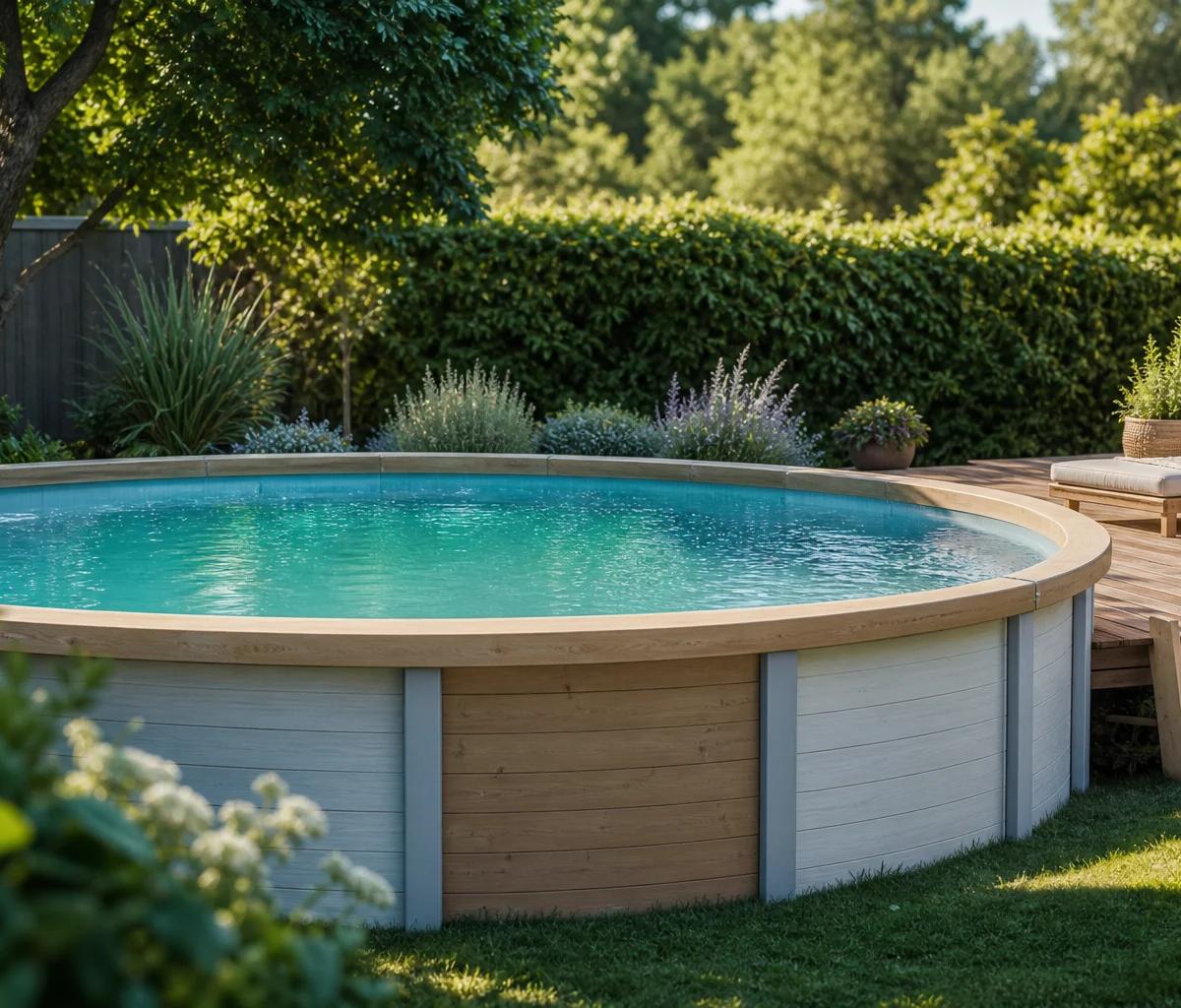
By TheYardForge — outdoor and garden gear, analyzed honestly for real backyards
If you're here, you're probably staring at your backyard wondering whether an above ground pool is the right move, and if so, which one actually fits your space and summer plans. The short answer: above ground pools are a practical, budget-friendly way to cool off at home, but picking the right one comes down to three big decisions, size, material, and pump setup. Get those right, and you'll have summers of backyard fun without the cost or commitment of an in-ground pool. Get them wrong, and you'll end up with a pool that's too big for your yard, impossible to maintain, or constantly needing repairs. This guide walks you through what matters, what doesn't, and where first-time pool owners get stuck.
Quick note: some links in this article are Amazon affiliate links, they support the blog at no extra cost to you.
What Size Pool Actually Fits Your Yard
The single biggest mistake first-time buyers make is picking a pool that looks great in the product photo but overwhelms their actual yard once it's inflated or assembled. Above ground pools typically range from 8 feet (perfect for a couple of kids splashing around) to 24+ feet (family gatherings and serious swimming). Before you fall in love with the biggest option, measure your yard and leave at least 3-4 feet of clearance on all sides, you'll need space to walk around, set up a ladder, and access the pump and filter.
For small yards or modest budgets, an Intex Easy Set pool (10-12 feet) is a solid starting point: quick to set up, affordable, and easy to drain at the end of the season. Skip it if you want a pool that stays up year-round or you're planning to host a crowd.
For families or larger yards, a Bestway Power Steel frame pool (15-18 feet) offers more durability and volume without the complexity of a permanent installation. The downside: assembly takes a few hours and you'll need a level surface, so factor in some prep work.
If you're setting up your backyard from scratch, plan the pool placement first, everything else (furniture, grill, plants) fits around the pool, not the other way around.
Frame vs Inflatable: Which Pool Type Holds Up
Above ground pools come in two main types: inflatable (soft-sided, quick setup) and frame (metal or resin structure, more rigid). Here's the honest breakdown:
| Pool Type | Best For | Limitation |
|---|---|---|
| Inflatable | Occasional use, small kids, renters | Puncture risk, shorter lifespan (1-3 seasons) |
| Frame (metal/resin) | Regular use, families, seasonal setup | More assembly, heavier, needs level ground |
Inflatable pools are the fastest way to get swimming, blow it up, fill it, done, but they're more prone to punctures and the vinyl wears faster, especially in direct sun. Frame pools take longer to assemble but hold their shape better and typically last 3-5+ seasons with proper care. If you're only using the pool a few weekends each summer, inflatable is fine. If it's going to be the centerpiece of your backyard all season, go frame.
Pumps, Filters and What You Actually Need
Every above ground pool needs a pump and filter to keep the water clean, this is where a lot of first-time buyers underestimate the ongoing work. Most pools come with a basic cartridge filter pump bundled in, which is enough for light use. For larger pools or if you want clearer water with less daily fussing, consider upgrading to a sand filter (easier to maintain, longer intervals between cleaning).
Three pump rules to follow:
- Match the pump to your pool volume, the manufacturer specs will tell you the minimum gallons-per-hour (GPH) rating you need. Don't guess, check the product page.
- Run the pump 8-12 hours daily during peak season, this is what keeps algae from turning your pool green.
- Chemical dosing follows the label, always, chlorine, pH adjusters and shock must be dosed exactly per the manufacturer's instructions or with guidance from a pool professional. Never eyeball it, chemicals are dangerous when mixed wrong.
For electrical and plumbing connections (grounding the pump, wiring timers), this is general information, not professional advice, hire a qualified electrician for any mains-powered equipment setup. Safety first, always.
What About Covers, Ladders and Accessories
The pool itself is just the start. A few add-ons genuinely matter:
- Pool cover: keeps debris out, slows water evaporation, and helps retain heat overnight. Get one that fits your pool diameter, universal covers usually don't seal properly.
- Ladder or steps: most frame pools don't include one, and climbing in over the side gets old fast (and dangerous for kids and older adults).
- Ground cloth: protects the pool bottom from punctures and extends its life. Worth the $20-30.
Skip the floating drink holders and elaborate LED lights until you've actually used the pool for a season and know what you'll realistically use.
Related reading
- How to Set Up Your Backyard for Beginners
- Level Ground for Your Pool Without the Headache
- Above Ground Pool Guide: From Setup to Care
FAQ
How long does it take to set up an above ground pool?
Inflatable pools can be ready in under an hour. Frame pools typically take 2-4 hours for two people, plus time to fill (which depends on your hose flow rate). Budget a full afternoon for a frame pool setup.
Can I leave an above ground pool up all winter?
It depends on the model and your climate. Inflatable pools should be drained and stored. Many frame pools can stay up if properly winterized (lowered water level, cover, and chemical balance), but check the manufacturer guidance for your specific model.
Do I need a permit for an above ground pool?
Regulations vary by city and county. Pools under a certain size (often 18-24 inches deep) typically don't require a permit, but check your local building department before you buy. Some areas also have fencing requirements.
Can I set up the pool myself, or do I need a professional?
General assembly and routine maintenance are fine to handle yourself with the manual. However, any electrical work (wiring the pump, grounding) should be done by a qualified electrician, and pool chemical dosing must follow the exact label instructions or guidance from a pool professional, never by guesswork.
What's the real lifespan of an above ground pool?
Inflatable pools typically last 1-3 seasons with regular use. Frame pools, if properly maintained and winterized, can last 5-7+ years. Liner replacement is the most common repair after a few seasons.
Conclusion
An above ground pool is one of the best backyard upgrades you can make without a massive budget or permanent construction, but only if you pick the right size, material, and understand the upkeep before the first fill. Measure your space, match the pump to your pool, and plan for the accessories that genuinely matter, that's the difference between a pool you love all summer and one that sits half-empty by July.