Brown Patches in Lawn How to Fix Fast
Brown lawn patches ruining your yard? Diagnose the common causes, from grubs to drought, and learn exactly how to fix them with this honest, step-by-step recovery guide.
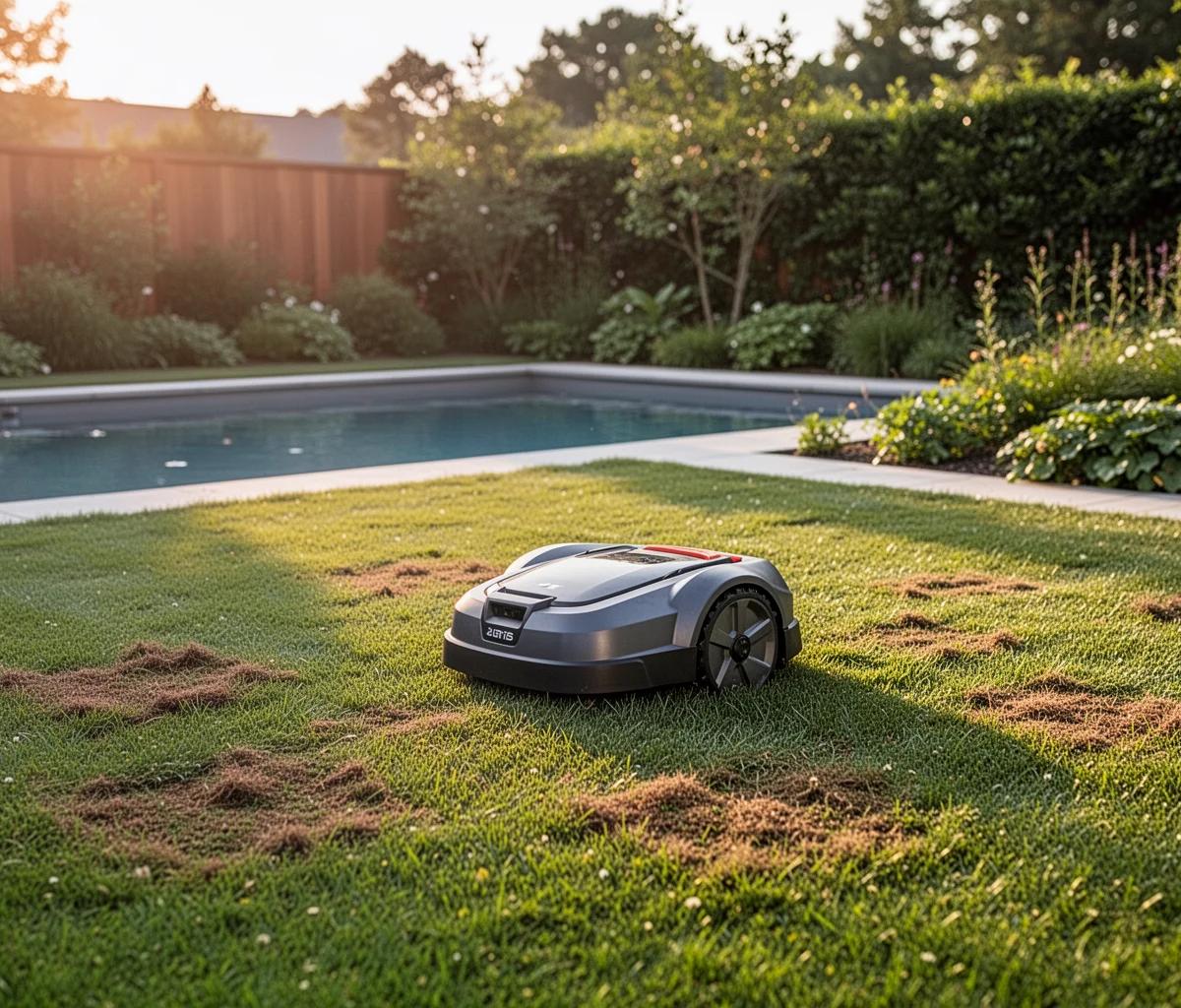
By TheYardForge — outdoor and garden gear, analyzed honestly for real backyards
You step out with your morning coffee, proud of your green stretch, and there it is: a random, ugly brown patch that definitely wasn't there last weekend. It’s a gut punch for any homeowner. The direct fix for brown patches in a lawn starts with stopping any active stress, then diagnosing the exact cause before rushing to reseed. Water deeply but infrequently in the early morning, check for grubs by tugging on the dead grass, and if it’s a fungal disease, hold off on nitrogen-heavy fertilizer until the outbreak passes. A quick green-up spray won't fix the root problem. Here is how we see most people get their lawn back, based on common patterns and owner reports.
To fix a brown patch, you first have to know what you're fighting. The three main culprits are drought stress, grub damage, and fungal disease, and each needs a completely different fix. Once we walk through the diagnosis steps and solutions, we'll also cover the best tools and products that make recovery simpler, because the right gear can genuinely speed up the process.
Why Do Brown Patches Appear?
Your lawn is basically a dense forest of tiny, thirsty plants, and when something disrupts their water supply or roots, they die in clusters. The pattern of the brown patch often tells you the cause before you touch a blade of grass. A big, irregular, straw-colored area in the sunniest part of the yard usually screams drought. Small, perfectly round, sunken spots with a smoky-gray edge when wet point to fungus. Patches where the grass pulls up like a loose carpet with no roots attached are the calling card of grubs eating below the surface. Dog urine creates a small, dead center with a strangely dark green outer ring from the nitrogen burst. Spray drift from a weed killer also causes uniform browning. Our first rule is to touch and sniff the soil before doing anything else.
Quick note: some links in this article are Amazon affiliate links; they support the blog at no extra cost to you.
How to Diagnose and Fix the Problem Step by Step
A systematic approach prevents you from wasting money on a fungicide when the real issue is a dull mower blade tearing the grass. Here is the diagnostic sequence we recommend most often.
- The Tug Test: Grab a handful of brown grass and pull. If it lifts like a toupee with no roots, you have grubs. If it holds firm, move to step two.
- Check the Soil Moisture: Push a long screwdriver or a soil moisture probe into the brown patch and a green area. Hard, dusty resistance in the brown patch means drought or hydrophobic soil, even if you've been watering.
- Look at the Leaf Blades: Inspect the transition zone between brown and green grass. Spots or lesions on the green blades confirm a fungus like brown patch or dollar spot.
- Apply the Fix: For grubs, apply a curative grub killer and water it in immediately, then consider a preventative product next season. For fungus, stop evening watering to reduce humidity, apply a targeted fungicide, and bag your clippings to stop the spread. For drought, follow our recovery watering plan with a quality sprinkler.
| Problem | Quick ID Clue | Core Fix |
|---|---|---|
| Grubs | Loose turf, roots eaten, spongy feel | Curative grub killer + future preventative |
| Fungus | Leaf spots, smoky ring, round patches | Improve airflow, early watering, targeted fungicide |
| Drought | Solid roots, hard dry soil, uniform browning | Deep, infrequent watering with a reliable sprinkler |
Tools That Make Lawn Recovery Easier
A standard hose and a cheap oscillating sprinkler often miss spots and waste water, which is exactly what a stressed lawn doesn't need. Based on what we see consistently in owner feedback, a gear upgrade here prevents more brown patches than any bottle of green spray. A reliable impact sprinkler on a sturdy metal spike throws water evenly and adjusts to odd-shaped yards. If you're ready to automate the watering so you never forget a schedule, the Gardena line is a solid analysis pick for water computers that connect to sprinklers or drip systems. For smaller patches, a low-arc, head-adjustable sprinkler from Fiskars helps spot-water without blasting a jet into the soil. Who these tools are for: homeowners fighting recurring dry spots who want a set-and-forget system. Skip them if your entire yard is shaded and never dries out, as you likely won't see the benefit.
Related reading
- How to Keep Pests Out of Your Garden Naturally
- Spring Lawn Care Tips for a Healthy Yard
- Fall Lawn Care Checklist Done Right
FAQ
Does mowing cause brown patches? Yes, cutting grass too short scalps the crown, causing it to dry out and turn brown instantly. A dull mower blade also shreds the leaf tips, creating large brown areas that look like drought stress, so sharpen your blade at the start of every season.
Can a brown lawn recover just by watering it? If the brown is from recent drought and the crown of the plant is still alive, yes, a strict deep-watering schedule will bring it back in 10 to 14 days. If the roots are gone from grubs or the plant is dead from fungus, no amount of water will revive it and you'll need to reseed.
How do I prevent dog urine patches? You can't stop a dog from going, but you can saturate the spot with a full watering can immediately after to dilute the nitrogen salts. Designating a mulched potty area in a corner of the yard with a visual border is the most reliable long-term fix.
Should I fertilize a lawn with brown patches? Not until you know the cause, because high-nitrogen fertilizer fuels many fungal lawn diseases, making the outbreak much worse. Wait until the grass is recovered and actively growing before applying any feed.