Getting Your Patio Ready for Summer
A busy-person's guide to getting your patio ready for summer. Clean, arrange and upgrade your outdoor space in a weekend with this straightforward plan.
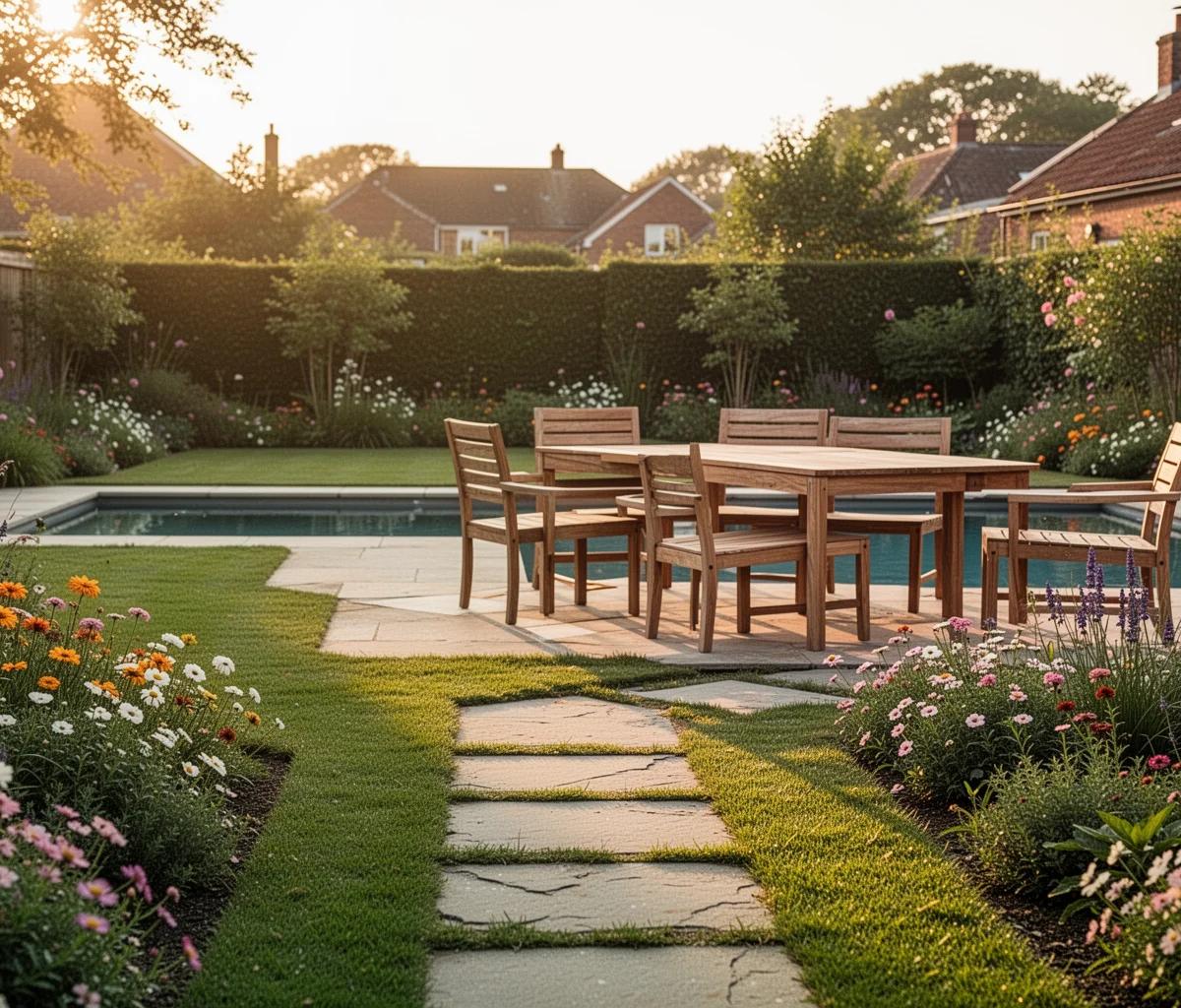
By TheYardForge — outdoor and garden gear, analyzed honestly for real backyards
You step outside on the first warm Saturday of the year, coffee in hand, ready to enjoy your patio, and what you actually see is a winter's worth of grime, furniture that's seen better days, and a stack of forgotten flower pots.
Getting your patio ready for summer is a weekend job if you work in the right order. The smartest approach is to clean everything first, check what held up over winter, then rearrange and refresh before you buy anything new. This sequence means you finish Sunday afternoon with a space that is actually ready to use, not a half-finished project that drags into June. Here is how to do it step by step.
The Clean-First Weekend Plan
Skip the temptation to buy new cushions or a fire pit before you have cleared the canvas. Dirt hides damage, and you need to see what you are working with.
Saturday morning, deep clean everything Power-wash the paving or decking first, it is the biggest visual win. A pressure washer like a Kärcher model makes quick work of moss, algae, and built-up grime, but go gently on older pointing or softwood decking so you do not lift the surface. Scrub any furniture while it is still out in the open, mild soapy water and a soft brush handle most outdoor furniture, even fabric slings. Rinse thoroughly and let it all dry in the sun.
Saturday afternoon, audit what survived winter Once everything is clean and dry, check for rust on metal frames, rot on wooden legs, and faded or split fabric. Be honest: is that wobbly chair worth keeping, or is it a frustration you bring into another summer? Any piece that makes the space feel neglected is a candidate for replacement. At this stage you are making a shortlist, not buying anything.
Sunday, rearrange before you refresh Move the pieces you are keeping into a layout that fits how you actually use the patio. Group seating close enough that people can talk without shouting. Leave a clear path to the door and the grill. Live with the layout for a few hours before you commit to new additions, you will notice what is missing.
Smart Upgrades Without Overspending
With a clean, pared-back patio in front of you, the gaps become obvious. Most of us need one or two things, not a full makeover.
| Upgrade | Best For | What to Expect |
|---|---|---|
| New seat cushions | Faded fabric, flat padding | Instant colour, look for UV-resistant covers |
| A garden parasol | No natural shade | Outsunny makes sturdy crank-lift models at a reasonable price |
| Outdoor rug | Defining a seating zone | Hides stained paving and softens the space |
| Container plants | Bare corners, privacy gaps | Grasses and herbs survive heat better than annuals |
Quick note: some links in this article are Amazon affiliate links, they support the blog at no extra cost to you.
A parasol is often the upgrade people feel most, because a sunny patio without shade is only usable early morning and late evening. An Outsunny cantilever or crank-lift model gives you flexible coverage without a central pole tripping up your layout. Check the base weight, wind will take a light parasol over in seconds.
For Keter storage benches or deck boxes, the advantage is dual-purpose: somewhere to sit that also keeps cushions dry and close at hand. Their resin construction handles rain better than real wood and does not need annual sanding and staining. The trade-off is look, it is plastic, and it feels like plastic. If you want warmth under your hands, stick with timber and accept the maintenance.
One Detail That Changes the Whole Feel
Outdoor lighting costs less than almost any other upgrade and transforms how long you stay outside. A string of warm-white LED festoon lights hung overhead, a pair of rechargeable table lamps you can move around, or solar stake lights along a bed edge, none of it requires an electrician, and all of it makes the patio feel like a room rather than a yard you cleaned.
Related reading
- How to Set Up Your Backyard for Beginners
- Spring Lawn Care Tips for a Healthy Yard
- How to Winterize Your Garden the Right Way
FAQ
Can I pressure-wash any patio surface? Concrete and stone slabs handle it well. Old brick paving, soft sandstone, or decking with worn grooves need a wider nozzle and lower pressure so you do not etch or splinter the surface. When in doubt, test a hidden corner first.
How do I stop outdoor cushions going mouldy? Let them dry fully before stacking them away. Store them upright so air circulates, and never leave them flat on a wet surface overnight. A deck box with ventilation gaps, like several Keter models, helps more than a sealed plastic tub.
Should I oil my wooden furniture every spring? If it is hardwood like teak, once every year or two is enough. Softwood pieces painted or varnished need a check for peeling; sand and recoat only the patches that failed. Over-oiling attracts dirt and turns sticky in full sun.
Is a cantilever parasol better than a centre-pole one? It gives you more flexible shade placement and leaves the floor clear underneath for furniture arrangement. The downside: it needs a heavier base and costs more. Pick one if your seating layout does not suit a table with a hole in the middle.
What plants survive on a sunny patio if I forget to water? Ornamental grasses like carex and festuca, lavender, rosemary, and sedum all tolerate missed waterings better than petunias or fuchsias. Group thirsty plants together so you only have one zone to remember.
Getting your patio summer-ready is mostly about clearing, cleaning, and then filling the one or two gaps that actually matter. Do not mistake buying more stuff for improving the space, sometimes a power-washed floor and a working parasol is all you need to use it every evening.