Greenhouse Buying Guide for Beginners
Choose your first greenhouse with confidence. Size, materials, ventilation and where to place it—straight talk for real backyards.
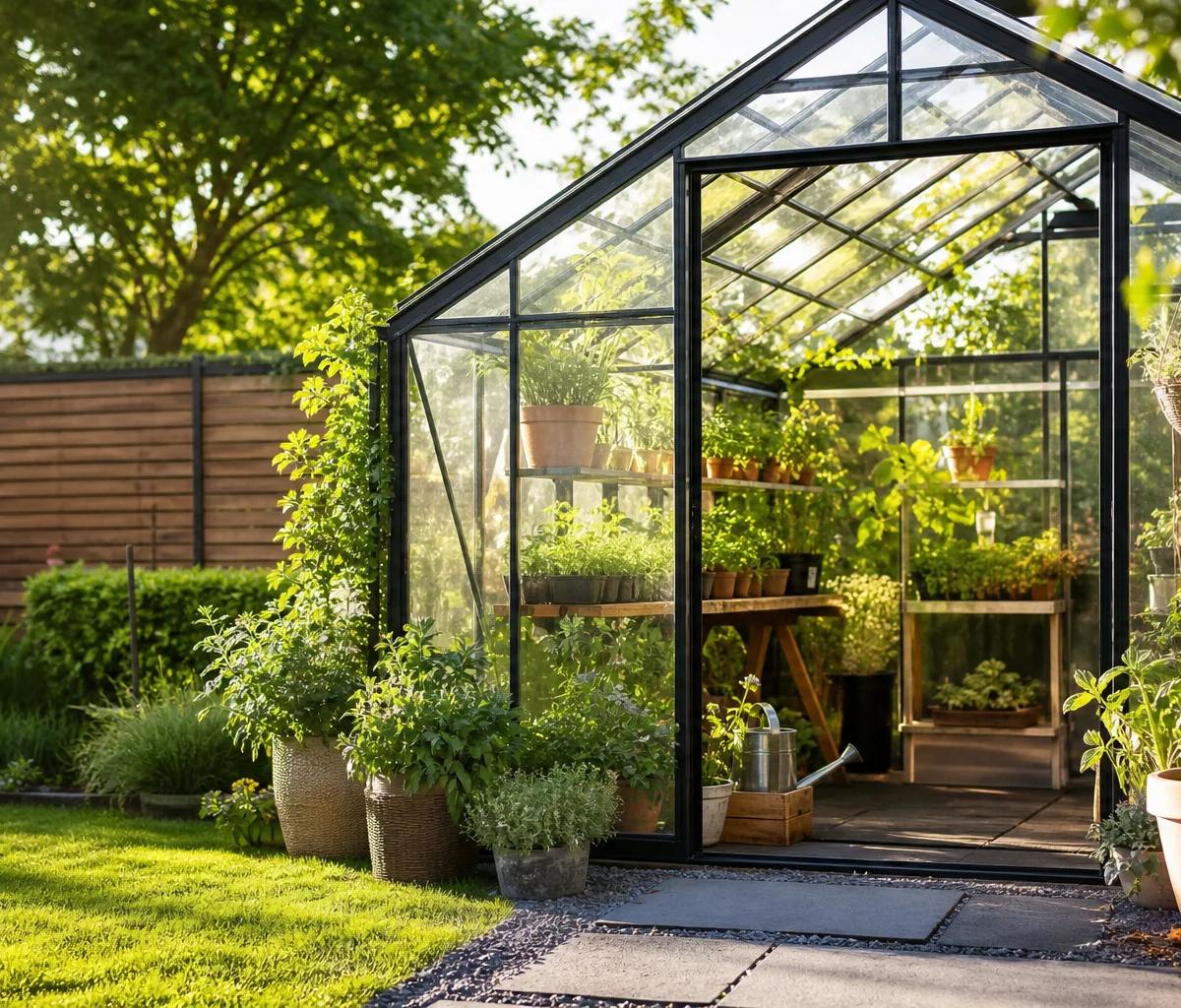
By TheYardForge — outdoor and garden gear, analyzed honestly for real backyards
If you're here, you're probably staring at your yard wondering if a greenhouse is worth it, and which one won't turn into a regret by spring.
The short answer: for most beginners, a 6×8 or 8×10 polycarbonate walk-in greenhouse with roof vents and anchoring hardware is the sweet spot. It gives you real growing space without eating your whole weekend or budget, handles wind and UV without constant babysitting, and lets you start seeds, extend your season, or grow tomatoes and peppers year-round in many climates. Skip the tiny 4×4 hobbyist boxes (you'll outgrow them fast) and skip the giant glass conservatory dreams until you know you'll use the space. The right first greenhouse is the one that fits your yard, your climate, and your actual gardening rhythm, not the prettiest one in the catalog.
Here's what matters, and what you can safely ignore.
What Size Greenhouse Do You Actually Need
Most beginners buy too small, then wish they'd gone one size up.
A 6×8-foot greenhouse is the entry point: enough room to walk in, set up a small potting bench, and grow a few dozen plants. If you've got the yard space and you know you'll use it, an 8×10 or 8×12 gives you elbow room for shelves, hanging baskets, and the space to actually enjoy being in there.
Skip the 4×4 or 4×6 mini models unless you're genuinely tight on space or only hardening off seedlings. They overheat fast, you can't comfortably work inside, and you'll bump into the walls constantly.
Quick note: some links in this article are Amazon affiliate links, they support the blog at no extra cost to you.
For a solid mid-size option, check out Palram greenhouses on Amazon, they're well-built, widely available, and come in a range of sizes that work for most backyards.
Polycarbonate vs Glass, What Holds Up
Glass looks beautiful, but for a first greenhouse, twin-wall polycarbonate panels are the smarter pick.
Why polycarbonate wins for beginners:
- Doesn't shatter if a branch falls or a ball flies in
- Diffuses light evenly, so plants don't scorch
- Better insulation than single-pane glass (you'll notice it on cold mornings)
- Lighter and easier to assemble alone
Glass is fine if you're going for a permanent, high-end setup and you've got help assembling it. It's heavier, more fragile, and pricier to replace a panel.
| Material | Best For | Skip If |
|---|---|---|
| Polycarbonate | First greenhouse, windy areas, family yards | You want the classic glass look |
| Glass | Permanent structures, aesthetic priority | Tight budget, solo assembly, or kids around |
Ventilation Matters More Than You Think
A greenhouse with no ventilation is a solar oven by noon.
You need at least one roof vent, ideally two, plus a door that props open. Roof vents let hot air escape (heat rises), and cross-ventilation keeps the air moving so humidity doesn't spike and fungus doesn't take over.
Automatic vent openers (they're wax cylinders that expand with heat and push the vent open) are worth the $20-30 upgrade. You won't need to babysit the temperature every afternoon.
Where to Put It and How to Anchor It
Pick a spot that gets full sun most of the day, ideally with the long side facing south (in the Northern Hemisphere). Avoid spots under big trees (falling branches, shade, and debris) or right against a fence where airflow is blocked.
Anchoring is non-negotiable. A lightweight greenhouse will lift and tumble in a strong wind if it's not secured. Most kits come with ground stakes; if your soil is rocky or you're placing it on a patio, you'll need a timber or concrete-block foundation and anchor bolts.
For more on planning your outdoor space from scratch, see our guide on how to set up your backyard for beginners.
What You'll Actually Use It For
Be honest about your gardening rhythm.
Common real-world uses:
- Starting seeds in spring (protects from frost, gives you a 4-6 week head start)
- Extending the season (grow lettuce and greens into late fall or early winter)
- Growing heat-lovers year-round (tomatoes, peppers, cucumbers in mild climates)
- Overwintering tender plants (citrus, herbs, succulents)
If you're just hardening off a few trays of seedlings each spring, a cold frame might be enough. If you want to grow food or flowers most of the year, a walk-in greenhouse earns its space.
Related reading
- How to Set Up Your Backyard for Beginners
- Cheap Greenhouse Ideas That Actually Hold Up
- Cheap Greenhouse Ideas DIY for Any Backyard
FAQ
What's a realistic budget for a beginner greenhouse?
A solid 6×8 or 8×10 polycarbonate greenhouse typically runs in the mid-range as of 2026 (check the current price on Amazon). Factor in another $50-100 for anchoring hardware, shelves, and an automatic vent opener. Glass models cost more upfront and to maintain.
Can I assemble a greenhouse by myself?
Most polycarbonate kits are designed for two people, but one person can manage it over a weekend with patience. Glass greenhouses usually need at least two people due to the weight and fragility of the panels.
Do I need a foundation or can I put it directly on soil?
You can anchor directly into soil with stakes if the ground is firm and level. For uneven ground, soft soil, or patio placement, a timber or concrete-block foundation is smarter, it keeps the frame square and stable.
How do I keep it from overheating in summer?
Ventilation is key: roof vents, open doors, and shade cloth (30-50% shade) if your summers are brutal. Automatic vent openers help, and a small battery-powered fan improves airflow without needing to run power.
Can I handle setup and maintenance myself, or should I hire help?
General assembly, cleaning, and plant care are all beginner-friendly DIY. If your setup involves electrical wiring (heaters, lights) or permanent plumbing, those are jobs for a qualified professional, don't guess at wiring or water connections in a structure that gets hot and humid.
Conclusion
Your first greenhouse should fit your yard, your climate, and your actual gardening habits, not the dream you had in a magazine. Start with a size you'll use, anchor it properly, and make sure it breathes. The rest is just growing.