Best Above Ground Pool for Small Backyards
Find the best above ground pool for a small backyard. See the top compact pools, key sizing tips, and what to avoid before you buy. A practical guide with.
By TheYardForge — outdoor and garden gear, analyzed honestly for real backyards
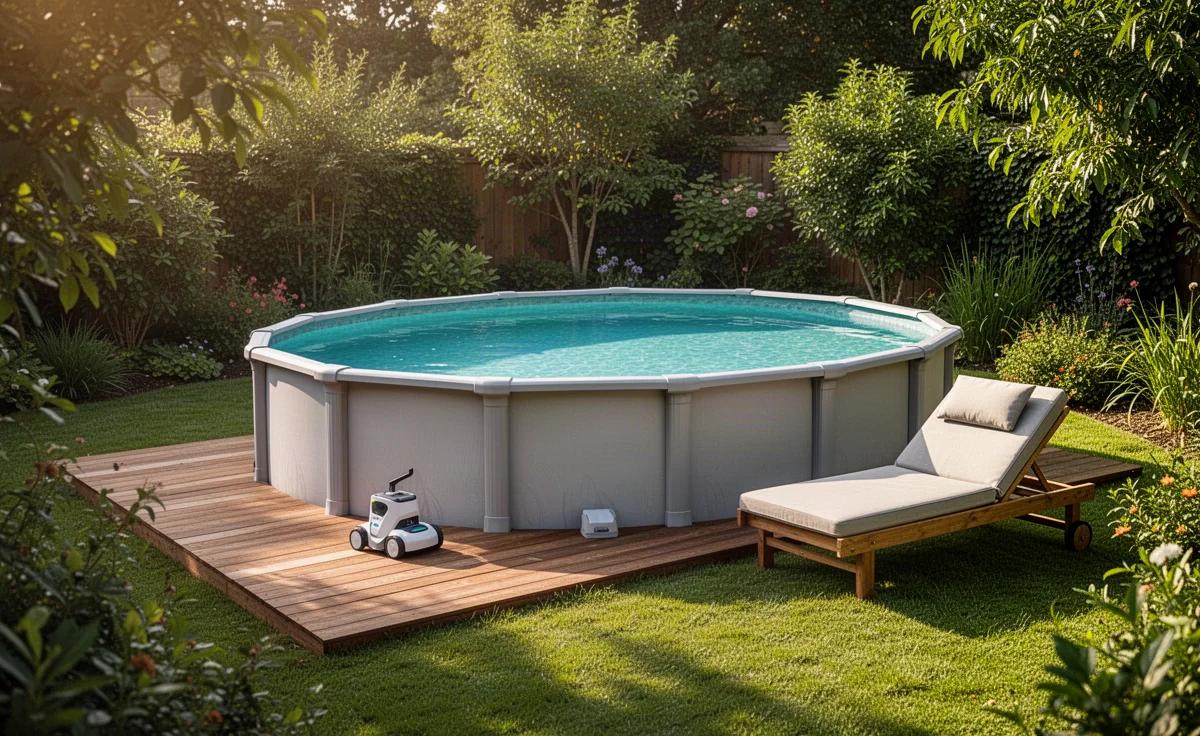
You see the kids staring at the hot patch of grass and think, "a pool could fit there, maybe." The direct answer is yes, the best above ground pool for a small backyard is usually a round, steel-frame model in the 8 to 10 foot diameter range, and for most tight spaces we point to the Intex options or the Bestway Steel Pro as the practical, budget-friendly sweet spot. They are small enough to squeeze onto a deck or narrow lawn, simple to set up in a day, and easy to dismantle when the season ends.
Quick note: some links in this article are Amazon affiliate links, they support the blog at no extra cost to you.
Before you buy, you need to get the size right. A small yard punishes a pool that is even one foot too wide. Measure the flat area, add two feet on every side for air and access, and check that the ground is level. In our analysis, the biggest mistake in small spaces is not the pool shape, it is pretending the yard is flatter than it really is.
Compact Pools Worth a Look
Here are two solid picks based on the specs and owner reports.
| Model | Best For | Watch Out |
|---|---|---|
| Intex pool | First pool, easy setup, family use | Frame walls need level ground to look right |
| Bestway pool | Affordability, small footprints, quick season | Less premium finish over several seasons |
For a truly tiny space, a 8-foot round Intex pool is forgiving and parts are easy to find. The Bestway pool line is often the cheapest serious option and great if you are unsure how much you will use it. Skip it if you want a deeper or longer pool, because these compact models are for cooling off, not laps.
Our above ground pool buying guide walks through sizing in more depth if you are torn between two footprints.
How to Pick the Right One
Follow this order and you will avoid the classic small-yard regret.
- Measure the usable space. Mark the pool diameter with string and walk around it. That simple test saves more buyers than any spec sheet.
- Check the ground. Use a long level or a board. A slope over two inches means you need to level the site, not shim the pool.
- Prioritize a simple setup. For a small space, a pool that goes up and down fast beats a heavy permanent frame.
- Add a cover. Leaves and bugs hit small pools hard. A cover keeps the water clean and cuts maintenance time.
- Check the current price on Amazon. Availability shifts often, so confirm the exact model and bundle before deciding.
Small Pool, Honest Tradeoffs
A compact above ground pool is a real joy, not a compromise. It cools the yard, keeps kids outside, and costs far less than a built-in. But it has limits. The water warms and dirties faster than a big pool, so a filter that runs consistently matters. And do not expect a 8-foot round pool to entertain six adults at once.
What we recommend most often is a round steel-frame model with a simple filter pump and a fitted cover. That setup handles most small backyards without turning the yard into a construction site. For anyone unsure about chemicals or pump setup, follow the manufacturer instructions and ask a pool professional if the water balance ever feels off.
Positioning and Sun Exposure Mistakes
A small backyard often leaves you with only one or two plausible spots for the pool, and that scarcity leads to rushed choices. The most common regret we hear is placing the pool where it looks best from the house rather than where it functions best over a full day. A pool tucked against a north-facing fence in a narrow yard may sit in shadow for most of the afternoon, keeping the water chilly even in July. The opposite mistake is just as bad: a pool fully exposed to midday sun on a heat-absorbing concrete patio can turn bathwater-warm by early afternoon and force you to run a hose in it just to make it tolerable.
Before filling, spend a full day watching how light moves across the candidate spots. Mark the area with string or a hose in the morning, then check it at 10 a.m., 1 p.m., and 4 p.m. You want at least four to five hours of direct sun for comfortable water, but some late-afternoon shade is a bonus, not a flaw. Also note what hangs over the spot. A compact yard often means the pool ends up under a neighbor's overhanging tree, and you will fight leaves, sap, and bird droppings constantly. If a tree branch extends over any part of the intended footprint, trim it back before setup or choose a different corner.
A related tip: in very narrow side yards, orient the pump and filter access toward the path you will actually use. It sounds obvious, but we have seen too many setups where the filter sits wedged against a fence and the owner has to squeeze sideways to reach the cartridge. Leave yourself a clear, walkable route to the pump before you commit to the exact position.
Leveling a Small Site Without Heavy Equipment
The article correctly stresses that leveling matters, but in a small backyard the question is how to do it without renting a machine or wrecking the lawn. For pools up to 10 feet in diameter, a manual approach works and takes most people a slow afternoon. You need a long straight board—a 2x4 that spans the full diameter is ideal—a standard carpenter's level, a shovel, and a tamper or a heavy plate.
Start by scraping away grass and loose topsoil from the full footprint plus one extra foot all around. Grass left under a pool rots, smells, and creates soft spots. Then set the board across the site at several angles: side to side, front to back, and both diagonals. Check the level each time. Where the board shows a gap on the low side, do not add soil. Adding loose fill is the classic beginner error because it compresses unevenly under thousands of pounds of water. Instead, dig down the high side until the board reads level across every axis. Remove soil in thin layers and re-check frequently. Aim to be within half an inch across the full diameter.
Once the ground is level, spread a one-inch layer of fine sand or use a purpose-made pool ground cloth over the bare dirt. Sand smooths small irregularities and gives the liner a softer seat. Then tamp the whole area firmly. Skipping the tamping step lets the ground settle unevenly after the pool is full, which is how you end up with a visibly tilted water line by August.
If your yard slopes more than three or four inches across the chosen footprint, stop and reconsider the location. Manually cutting down a steep slope is back-breaking and rarely produces a stable base. In that scenario, a small deck build or a professional site level is the better route, but for most mild slopes in compact yards the dig-down method is entirely doable in a day.
FAQ
What is the best above ground pool shape for a small backyard? A round pool is usually best. It fits into corners and narrow patches more easily than a rectangle, and it is simpler to level and set up.
Can you put an above ground pool on grass? Generally no, not directly. Grass traps moisture under the liner, attracts pests, and makes leveling hard. A ground cloth or a compacted, level base works better.
How much space do I need around a small pool? Leave at least two feet around the entire pool. That space lets you set up, check the frame, and reach the filter without pressing against a fence or wall.
Are small above ground pools hard to maintain? They are easier in some ways because you use less water and less chemicals. But dirt and sunscreen build up faster in a small volume, so frequent light cleaning matters more.
Do I need to level the ground before setup? Yes. A slope of even two inches can put uneven pressure on the frame and make the water line look off. Leveling is the least fun step, but the most important one.
For most small backyards, the right pool is a simple round steel-frame model paired with a decent filter pump and a cover. Pick the footprint first, level the ground honestly, and check current pricing before you commit.