Best Gas Grill for Beginners Right Now
New to grilling? We break down the easiest gas grills to learn on, what features actually matter, and which beginners should skip. Find out what really works.
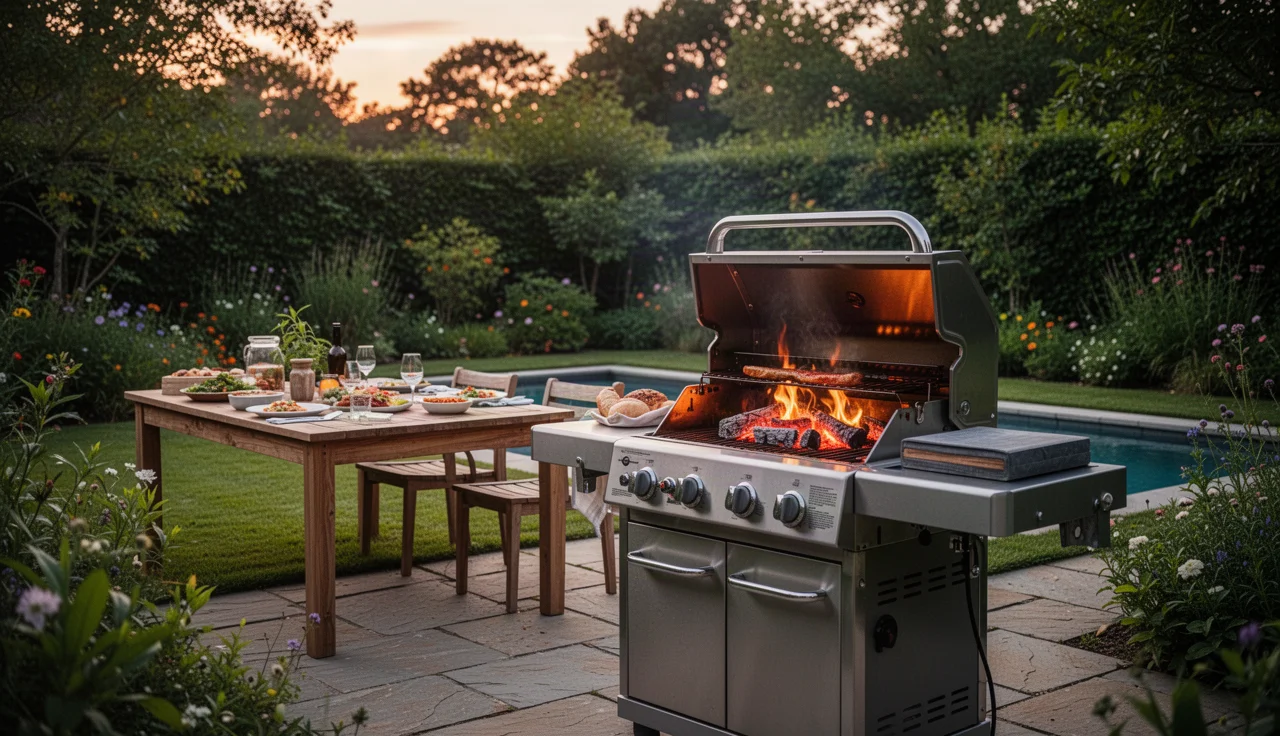
By TheYardForge — outdoor and garden gear, analyzed honestly for real backyards
You’ve got a new patio, a hungry family, and zero clue which grill won’t turn your first cookout into a charred disaster. The answer is simpler than the wall of stainless steel at the store suggests: the best gas grill for beginners is the Weber Spirit II E-310. It lights reliably, heats evenly across its three burners, and its straightforward design means you spend your first summer learning to cook, not troubleshooting flare-ups or cold spots. Based on specs and owner reports, it’s the most forgiving entry point for someone who wants great results without a steep learning curve. Here’s how to think through your first grill purchase.
Quick note: some links in this article are Amazon affiliate links, they support the blog at no extra cost to you.
What Actually Matters for a First Grill
Beginner-friendly grilling comes down to three things: consistent heat, simple controls, and a manageable size. You don’t need infrared sear zones, rotisserie kits, or side burners yet. What you need is a grill that won’t punish you while you learn how long chicken thighs actually take.
Consistent heat distribution. Cheaper grills often have hot and cold zones that force experienced technique onto a first-timer. Look for at least two burners with even flame coverage. According to manufacturer specs, the Weber Spirit II E-310’s three burners and porcelain-enameled flavorizer bars spread heat more evenly than budget single-tube designs.
Simple ignition and controls. If lighting the grill feels like a puzzle, you’ll avoid firing it up. Push-button ignition and clearly marked dials matter more than BTU bragging rights.
Size for your real life. A giant 6-burner grill intimidates and wastes fuel for two people. A compact two-burner works for a couple but crowds a family cookout. Three burners is the sweet spot for most beginners.
Three Beginner Grills Worth Comparing
Here are the three grills we’d steer a first-time buyer toward, based on manufacturer specs and owner feedback. None of them are perfect, and each fits a different back yard.
| Grill | Burners | Best For | Who Should Skip It |
|---|---|---|---|
| Weber Spirit II E-310 | 3 | Families learning on a reliable, even-heating grill | Buyers who want rock-bottom pricing |
| Weber Q 1200 | 1 | Balconies, small patios, portability | Anyone cooking for more than 3-4 people regularly |
| Char-Broil Performance 4-Burner | 4 | Budget-minded beginners with larger gatherings | Small spaces, or anyone who prizes precision over price |
The Weber Q 1200 earns its spot for compact simplicity, but its single burner means you’re managing one heat zone for everything, great for learning, limiting for larger meals. The Char-Broil Performance 4-Burner gives you grill real estate for less money, though owner reports mention less refined heat control. Our overall pick for most beginners remains the Spirit II E-310: it balances heat quality, build, and ease of use better than the competition at its level. If you’re shopping on a tighter budget, see our breakdown of the top gas grills under 500 for real backyards.
First Steps to Actually Learn Grilling
Here’s the order we recommend for your first month, so confidence builds instead of frustration.
- Start with forgiving proteins. Chicken thighs, sausages, and burgers tolerate small timing mistakes far better than steak or fish.
- Use a digital instant-read thermometer. This is the single best learning tool. It removes guesswork and teaches you what “done” actually looks like.
- Preheat for 10-15 minutes with the lid closed. Then brush the grates clean before adding food.
- Leave the lid closed while cooking. Constant peeking drops temperature and skews your timing instincts.
- Clean the grates after every cook, while still warm. A clean grill behaves more predictably next time.
FAQ
Do I need a gas grill with lots of BTUs?
Not for beginners. BTUs measure fuel input, not how well the grill cooks. A well-designed lower-BTU grill can outperform a poorly designed high-BTU one. Focus on even heat distribution and grates that hold temperature.
Can I handle grill setup and maintenance myself?
Yes for routine assembly, cleaning, and general maintenance. Propane tank connection and any gas line modifications should be handled by a qualified professional. This is general information, not professional advice.
Is a two-burner grill enough for a beginner?
For one or two people, yes. If you regularly cook for four or more, a three-burner gives you room to create indirect heat zones without overwhelming you with controls.
What’s the biggest mistake first-time gas grill buyers make?
Buying too much grill for their actual life. Huge gas grills with features you won’t use make learning harder and use more fuel. Start with a simple, well-built three-burner and upgrade only if real cooking habits demand it.
How long should a beginner gas grill last?
With regular cleaning and a quality cover, a mid-range gas grill from a reputable brand typically lasts many seasons. Check the current price on Amazon and the manufacturer warranty for your specific model before committing.
A first gas grill should make you feel capable, not overwhelmed. Pick a simple, even-heating grill, use a thermometer, and give yourself a full summer of low-pressure cooking. That’s how beginners become the person everyone asks to host the cookout.