Best Gas Grill Under $300 for Real Backyards
Looking for the best gas grill under $300? Here is what to prioritize, what to skip, and which budget picks fit different yards, with honest pros and cons.
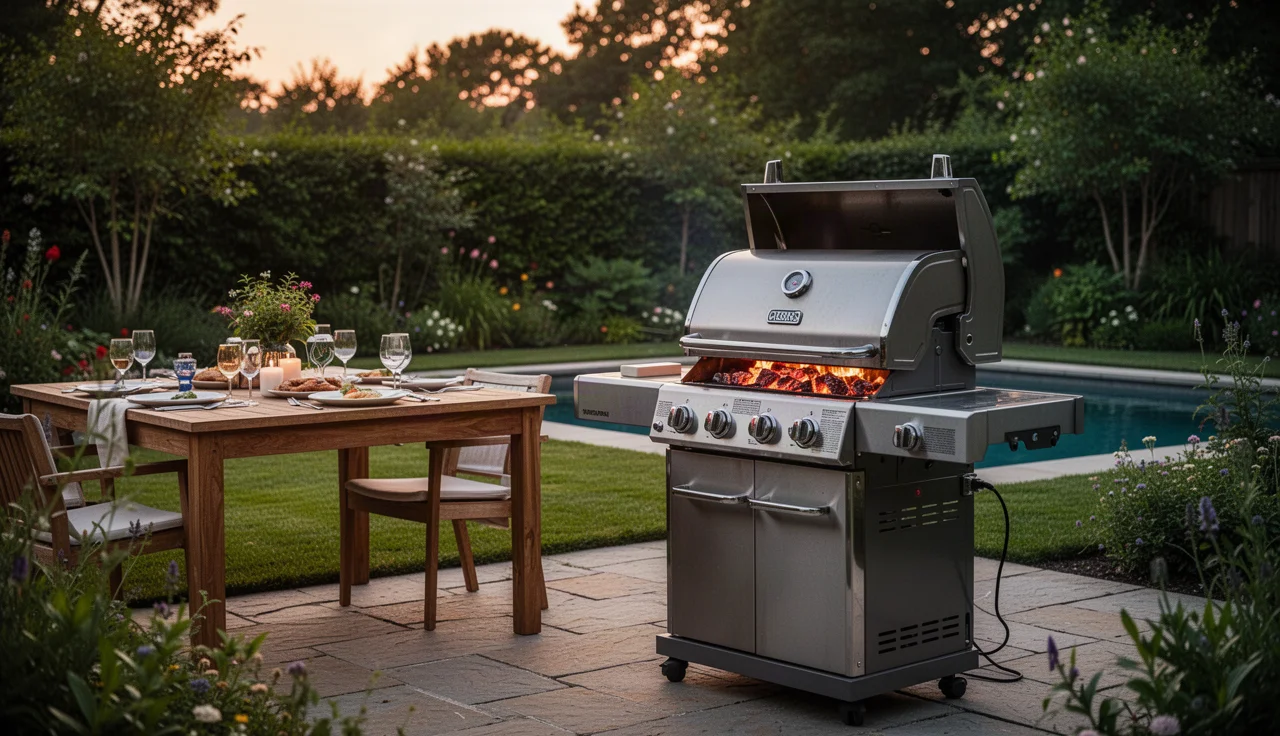
By TheYardForge — outdoor and garden gear, analyzed honestly for real backyards
Ever stood in the grill aisle wondering why a $250 model and a $600 one look almost identical? Here's the short answer: under $300, the best gas grill is a two or three burner model with a solid lid, cast iron or porcelain-coated grates, and a steel body that won't rust through in two seasons. You won't get premium extras like infrared searing or stainless-steel burners. You can get even heat and reliable ignition, and that's what actually cooks a good burger. Quick note: some links in this article are Amazon affiliate links, they support the blog at no extra cost to you.
What Actually Matters at This Price
Based on specs and owner reports, budget grills succeed or fail on a few basics rather than feature lists.
- Burner count: Two burners cover most families. Three give you a real cool zone for indirect cooking.
- Grate material: Porcelain-coated cast iron holds heat well but needs care. Plain steel wire grates are lighter and wear faster.
- Lid and firebox: A thicker, tighter-fitting lid holds heat better. Flimsy thin metal is the usual weak spot.
- Ignition: Push-button igniters are convenient, but keep a long lighter handy as backup.
Treat claimed BTU numbers with caution. Heat output matters less than how well the grill holds it. Confirm exact dimensions and cooking area on the product page for your model.
Brands Worth Checking
Weber is the name most owners mention for build quality, and its entry-level gas models sometimes land near this budget. Check the current price on Amazon, since the cheapest Weber options may sit just above or below $300 depending on the model. Skip it if you want maximum cooking area for the money, because you often pay for the brand and construction rather than size.
Other budget brands can offer larger cooking surfaces and extra side burners at lower prices. The trade-off is usually thinner metal and shorter lifespans. For a deeper look at stepping up in quality, see our Best Gas Grill Under 500 Review for 2025.
| Priority | Under $300 Reality | Skip It If |
|---|---|---|
| Even heat | Achievable on 2-3 burners | You need searing at 700°F+ |
| Durability | Moderate, cover recommended | You want a 10-year grill |
| Cooking area | Enough for 4-6 people | You host large crowds often |
| Extras | Side shelves, basic ignition | You want rotisserie or sear burner |
How to Vet a Budget Grill Before Buying
- Check your space. Measure the patio spot, and leave clearance from walls and railings.
- Read recent owner reviews. Look for comments on rust, igniter failures and lid warping after a season or two.
- Compare warranty terms. Burner and firebox coverage tells you what the maker expects to last.
- Confirm the fuel setup. Most use standard propane tanks, but verify before ordering.
- Budget for a cover. A fitted cover costs little and adds noticeable life to a budget grill.
For anything involving gas connections or hose replacement, follow the manufacturer's instructions, and if you smell gas or are unsure about a fitting, have a qualified professional look at it. This is general information, not professional advice.
Setup Mistakes That Quietly Ruin Budget Grills
Most under-$300 grills don’t fail because they’re cheap — they fail because they’re set up sloppy. The most common mistake is cranking all burners to high right after lighting and treating the lid as optional. Thin steel fireboxes shed heat fast, so every time you lift the lid, you lose 50–100°F. On a premium grill, recovery takes seconds. On a budget model, it can take minutes. That’s why burgers end up gray instead of seared.
Instead, preheat with the lid closed for 8–10 minutes, then set one side to medium-high and the other to low or off. That two-zone layout gives you a searing side and a resting side — the single biggest upgrade you can make without spending another dollar.
A second common mistake: assembling the grill with the burner tubes misaligned. If the gas jets don’t sit squarely into the venturi tubes behind the control knobs, you get weak flames, yellow tips, and uneven grates. After assembly, do a quick visual check with the grates off. Flames should be mostly blue with small yellow tips, and all ports should light. If one side stays weak or pushes flame back near the valve, turn it off and reseat the tube. It’s a five-minute fix that prevents months of mediocre cooks.
The Under-$300 Maintenance Routine That Actually Matters
Most owners treat a $250 grill as disposable, and that’s exactly why it dies in three seasons. The grates rust, the burners clog, the igniter corrodes — and none of that is inevitable. The single highest-impact habit is scraping the grates immediately after cooking while they’re still warm, then wiping them with a lightly oiled paper towel. This prevents carbonized food from attracting moisture, which is the real rust trigger.
Once a month, remove the grates and heat shields. Inspect the burner tubes for spider webs or grease blocking the small gas ports. This happens more often than people think, especially if the grill sits unused for a few weeks. A straightened paper clip clears a blocked port quickly. Also check the igniter wire connection at the electrode tip — if it’s loose or coated in grease, it won’t spark reliably.
For storage, skip the universal covers with loose elastic bottoms. Wind blows them off and lets water pool on the lid. Look for a cover with adjustable straps or bungee cinches, and use them every time. If you live in a humid climate, crack the lid slightly under the cover after the grill cools, so condensation can escape instead of sitting on the grates.
For anything involving gas connections or hose replacement, follow the manufacturer’s instructions, and have a qualified professional handle fittings or leaks.
FAQ
Is a $300 gas grill worth buying? Yes, if you grill a few times a week and set expectations realistically. You get dependable everyday cooking, just not premium materials.
How long does a budget gas grill last? It varies a lot by model, climate and care. Owners generally report longer life with a cover, regular cleaning and dry storage.
Two burners or three? Two work for small families and quick meals. Pick three if you want a cooler zone for indirect cooking like chicken pieces or thick cuts.
Propane or natural gas? Propane is standard at this price and portable. Natural gas models usually need a hookup that should be handled by a professional.
Under $300, focus on build basics, not feature lists. Choose a solid two or three burner grill, protect it with a cover, and upgrade later only if you outgrow it.