Best Robot Mower for Small Yards, Honest Review
Our honest review of the best robot mowers for small yards: who they suit, real pros and cons, and who should skip them. Check current prices on Amazon.
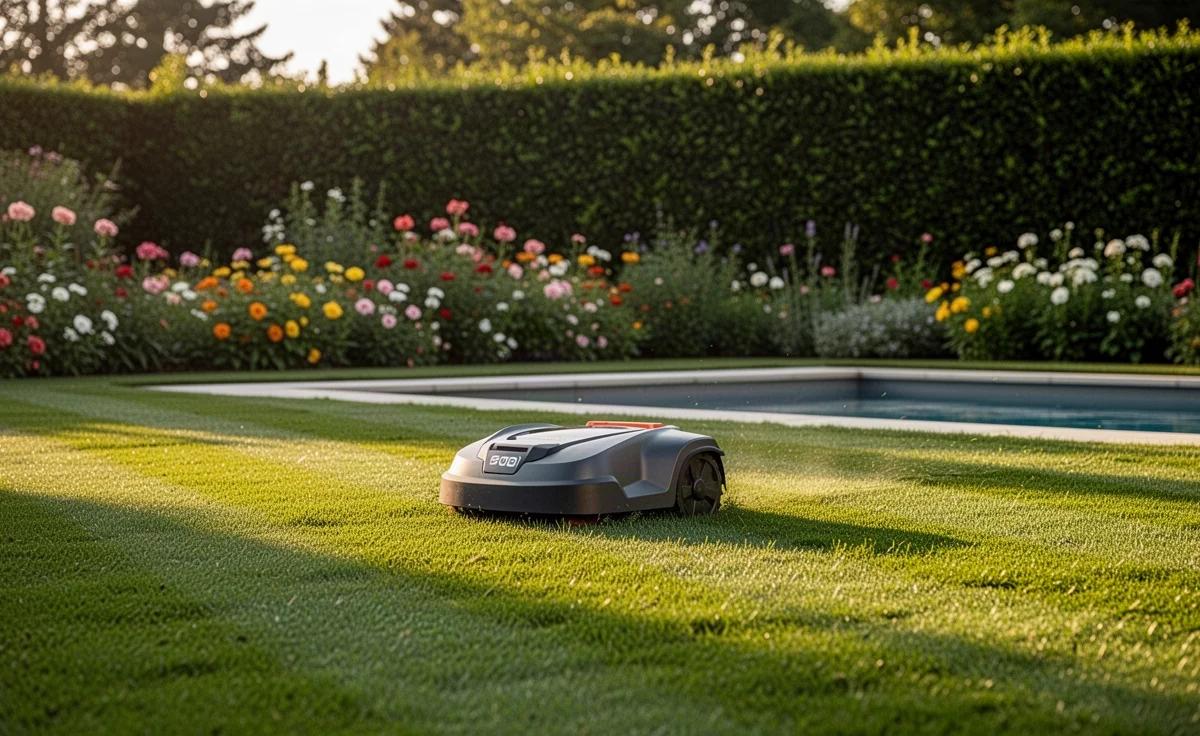
By TheYardForge — outdoor and garden gear, analyzed honestly for real backyards
Ever stood in a tiny yard on a Saturday, pushing a mower for ten minutes and wondering why you bother? You're not alone. Our verdict: a robot mower is worth it for a small yard if your lawn is fairly flat, fenced or clearly bordered, and you hate the weekly chore. It's not worth it if your yard is a patchwork of flower beds, steep slopes and tight gaps. For small lawns, compact models like the Worx Landroid and the Segway Navimow are the names to look at first. Based on manufacturer specs and owner reports, small yards are actually the easiest case for these machines, as long as the layout is simple.
Quick note: some links in this article are Amazon affiliate links, they support the blog at no extra cost to you.
Our Verdict: Who Should Buy One
The Worx Landroid is a popular pick for small and medium lawns because the line includes compact models aimed at that size. The Segway Navimow takes a different approach, using virtual boundaries instead of a physical wire, which many owners find easier for oddly shaped yards. Always confirm the maximum lawn size and slope for your exact model on the product page, since specs vary by version.
| Model | Boundary method | Best for |
|---|---|---|
| Worx Landroid | Boundary wire | Simple, flat lawns, budget-minded buyers |
| Segway Navimow | Virtual boundary | Irregular shapes, no wire digging |
Check the current price on Amazon for both. If budget is your main worry, our guide to best cheap robot mowers worth your money covers lower-cost options.
Pros and Cons
Pros
- Saves the weekly mowing time, and small lawns are quick for a robot to cover.
- Quiet compared with a petrol mower, according to owner reports.
- Frequent light cuts leave fine clippings that feed the lawn.
- Compact models are easy to store in a shed or garage.
Cons
- Upfront cost is higher than a basic push mower.
- Wire-based models need a boundary installed, which takes patience.
- Edges and corners often still need a trimmer.
- Tight gaps, steep slopes and cluttered lawns can trap or confuse a robot.
- Rain, toys, hoses and uneven ground cause the most owner complaints.
How to Set Up a Robot Mower in a Small Yard
- Walk the lawn and clear toys, hoses and stones before the first run.
- Place the charging station on level ground with open space in front of it.
- Set the boundary, either laying the wire or mapping virtual borders in the app.
- Mark off flower beds and ponds as no-go zones.
- Start with short cutting windows and adjust once you see the results.
For anything involving mains power at the charging station, use an outdoor-rated, properly protected outlet and ask a qualified electrician if you're unsure.
Who It's For and Who Should Skip It
Buy one if your yard is simple, you value your weekends, and you can live with occasional edge trimming.
Skip it if your lawn is very small (a few steps across), steep, or split into many separate patches. A cheap corded or battery mower will serve you better.
Common Small-Yard Mistakes That Lead to Bad Reviews
Many negative robot mower reviews come down to setup errors rather than a faulty machine. One frequent mistake is placing the charging station against a fence with the entry path angled awkwardly, causing the mower to miss the dock every second run. Another is setting the cutting schedule too long for a tiny lawn: if the mower runs for ninety minutes on a 300-square-foot yard, it circles the same zones repeatedly and compacts the soil or wears a visible track near the perimeter. Owners also skip the first supervised run, then discover it mowed right through a flower bed because a no-go zone was set with only two or three GPS points instead of tracing the full curve. For wire-based models, a common error is burying the boundary too deep at the start; put it on the surface first, test for a week, then bury it once the path is proven.
Actionable Tips to Get Cleaner Edges Without Extra Work
To reduce the trimming that robot mowers leave behind, make a small change during installation: run the boundary wire so the mower’s deck overlaps the edge by about one inch onto concrete or paving where allowed. That way the blades cut right to the border instead of stopping short. In virtual-boundary models like the Segway Navimow, set the cutting edge slightly outside the visible lawn line in the app, then walk the border once to confirm it does not clip stones or edging. Another practical trick is to raise the mowing frequency and lower the height setting gradually, short, frequent passes in a small yard build a denser sward that hides the few stragglers at the corners. Keep a lightweight string trimmer with a single charge ready by the back door, since a two-minute touch-up after the robot finishes is still far quicker than a full manual mow.
FAQ
Is a robot mower worth it for a small yard? Yes, if the layout is simple and you dislike mowing. For tiny or cluttered lawns, a regular mower is often the smarter buy.
Do robot mowers need a boundary wire? Some do, like many Worx Landroid models, while others, like the Segway Navimow, use virtual boundaries. Check the exact model before buying.
Can a robot mower handle slopes? Each model has a maximum slope rating from the manufacturer. Confirm it on the product page and don't assume it.
How much do small-yard robot mowers cost? Prices change constantly, so check the current price on Amazon. Our cheap robot mowers guide helps you compare value.
Conclusion
For small, simple lawns, a robot mower is a genuine time-saver, with a few honest limits around edges and awkward layouts. Match the model to your yard's shape and slope, and you'll likely be happy.