How to Level Ground for a Pool the Right Way
Learn how to level ground for a pool with simple tools, a clear step-by-step method and honest tips. Avoid wobbly walls and a stressed liner this summer.
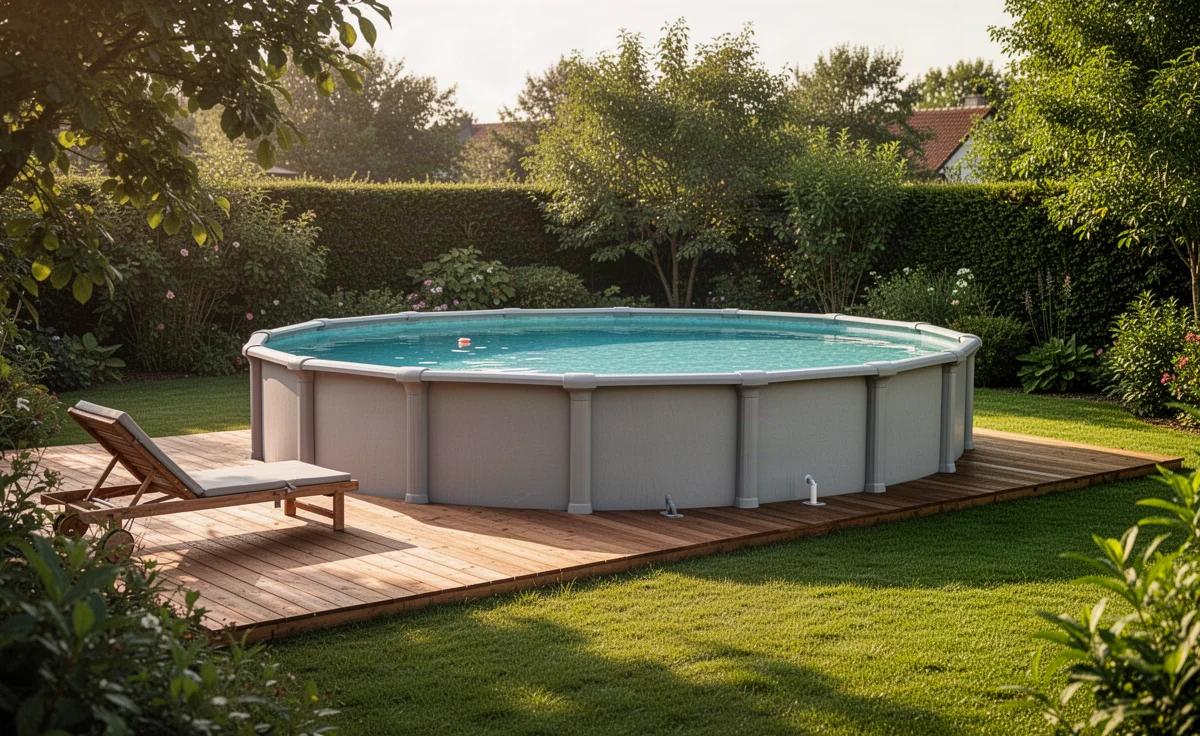
By TheYardForge — outdoor and garden gear, analyzed honestly for real backyards
Ever filled a pool, then noticed the water line sitting higher on one side? That's a ground leveling problem, and it's far easier to fix before the water goes in. To level ground for a pool, pick a firm, naturally flat spot, mark the footprint, remove grass and roots, then cut the high spots down instead of piling soil onto low ones. Check with a long straight board and a level, compact the soil, and finish with a thin layer of sand. Aim for the flattest surface you can get, since uneven ground stresses walls and liners. This is general information, not professional advice, so for slopes or major earthwork, consult a professional.
Tools and Materials You Actually Need
You don't need much, but skipping the basics is where most mistakes start. A long straight board (8 to 10 feet), a 4-foot level, stakes and string, a flat shovel, a rake and a hand tamper cover most backyards. Sand is the usual finishing layer.
| Item | What it does | Skip it if |
|---|---|---|
| Straight board + level | Checks flatness across the whole footprint | Never skip this |
| Hand tamper | Compacts soil so it won't settle later | You rent a plate compactor |
| Sand | Smooths the final surface | Your pool maker says otherwise |
| Ground cloth | Blocks roots and sharp stones | Your pool kit already includes one |
Many pool owners pair their pool with a protective ground cloth, and brands like Intex and Bestway sell kits and accessories. Quick note: some links in this article are Amazon affiliate links, they support the blog at no extra cost to you. Always confirm your model's exact footprint and ground requirements on the product page.
How to Level the Ground, Step by Step
- Choose the spot. Pick the flattest area away from trees, power lines and low spots where water collects.
- Mark the footprint. Stake the pool's diameter plus an extra foot or two of working room, and run string around it.
- Clear the surface. Remove grass, roots, rocks and debris down to bare, firm soil.
- Find the high point. Lay the board across the area, set the level on top, and note where it rocks.
- Cut, don't fill. Dig down the high spots to match the lowest solid area. Loose fill settles under the weight of water.
- Compact the soil. Tamp the whole area until it feels firm underfoot.
- Add sand. Spread a thin, even layer, rake it flat, and re-check with the board in several directions.
Based on owner reports, rushing steps 4 to 6 is the most common regret. A pool that looks level empty can lean noticeably once it holds thousands of gallons.
Common Mistakes and Where Leveling Gets Tricky
The biggest trap is building up a low corner with loose soil. It compresses over weeks, and your pool tilts. Another is ignoring drainage: a perfectly flat spot at the bottom of a slope can turn soggy after rain. If your yard slopes noticeably, a retaining wall or terraced base may be needed, and that's work for a professional. Once the pool is set up, plan ahead for the off-season with our guide on how to winterize an above ground pool step by step.
Working With Different Soil Types
Not all dirt behaves the same under a pool, and ignoring your soil type can undo hours of leveling. Sandy soil drains well but shifts easily, so compaction is critical and a slightly deeper sand base helps stabilize the surface. Clay soil holds its shape when dry but turns slick and soft after rain, which means you should level it when it's slightly damp, never soaked, and watch for low spots that collect water. Rocky or root-heavy soil demands more time clearing debris, since any stone left near the surface can press into the liner once water weight bears down.
Before you dig, probe the area with a shovel to see what you're working with. If you hit dense clay, a light misting of water makes cutting and tamping easier without creating mud. For sandy ground, run the tamper over the area twice and consider renting a plate compactor for pools larger than 15 feet across.
Getting the Sand Layer Right
The final sand layer does more than smooth things out, it also protects the liner and helps the pool sit evenly. A common mistake is piling sand too thick, which creates a soft, shifting base once the pool is full. Keep the layer between 1 and 2 inches deep for most above-ground pools, and always level it with a straight board, never just by eye.
Rake the sand in one direction first, then switch to a cross pattern to avoid creating subtle ridges. After spreading, lay the board flat across the sand and drag it lightly to reveal low or high areas. Fill low spots with a handful of sand at a time and skim high spots with the flat edge of the shovel. Re-check in at least four directions, rotating the board like clock hands, before you call it done.
FAQ
How level does the ground need to be for a pool? As level as you can realistically get it. Manufacturers specify a tolerance for each model, so check your pool's manual. When in doubt, aim for dead flat across the whole footprint.
Can I put a pool on grass? It's generally not recommended. Grass and roots decay and leave soft, uneven spots. Remove the sod and work on bare, compacted soil instead.
Should I use sand or gravel under the pool? A thin layer of sand is the common choice for smoothing the surface. Some setups call for other bases, so follow your manufacturer's instructions.
Can I level a sloped yard myself? Slight slopes are manageable by cutting into the high side. Steeper grades involve retaining structures and drainage, so hire a professional.
Conclusion
Leveling is the unglamorous part of pool setup, but it decides how well everything else performs. Take your time, cut instead of fill, and check flatness from every angle before you unroll that liner.