Is a Gas Grill Under 500 Worth Buying Right Now
We analyze what a sub-500 gas grill actually delivers in 2025, who it fits best, and where the compromises hide before you spend. A practical guide with clear.
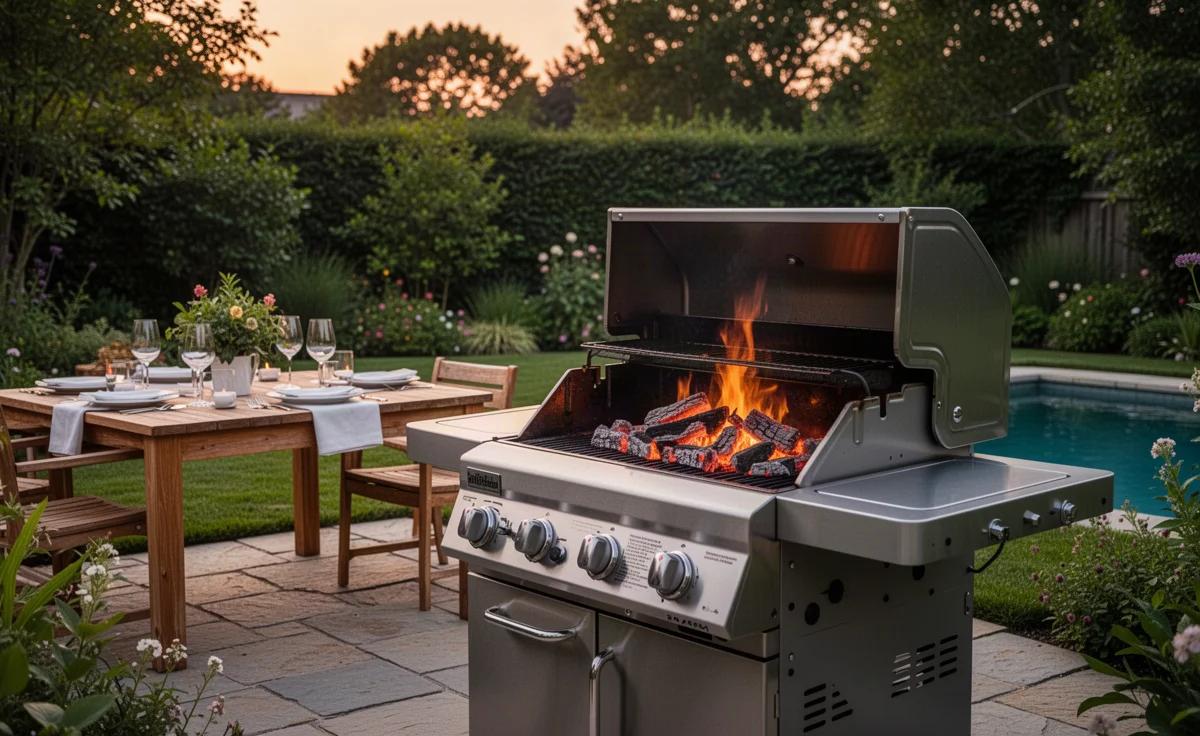
By TheYardForge — outdoor and garden gear, analyzed honestly for real backyards
You are standing in the grill aisle, staring at two shelves: one holds a shiny stainless model for $899, the other a compact three-burner for $429. The question is not which one looks better, it is whether the cheaper one will survive three summers or turn into a rusty box by July. Our verdict, right up front: yes, a gas grill under 500 is worth buying, but only if you accept that you are paying for reliable heat and decent capacity, not for lifetime materials or infrared side burners. Based on the specs and owner reports we review, the sweet spot in this range is a three-burner propane grill with cast iron or porcelain-coated grates. You get enough heat for a family dinner and enough durability for five to eight years with a cover, but you are also choosing the grill you will eventually replace. If that trade-off fits how you actually cook, this price range makes sense. If you want a 15-year grill, you are shopping in the wrong aisle.
What You Actually Get for Under 500
For this budget, manufacturers prioritize cooking performance over premium materials. Most models offer three main burners, roughly 24,000 to 30,000 BTUs of total output, and 400 to 500 square inches of primary cooking space. That is enough for 12 to 15 burgers at once, which covers most backyard gatherings.
The trade-offs are predictable: thinner steel lids, plastic side shelves instead of stainless, and fewer features like rotisserie burners or built-in thermometers that actually work. One thing we have noticed in owner feedback across the category is that heat distribution varies more than it does on premium grills. Hot spots are common near the back of the cooking surface.
What we recommend most often is prioritizing construction over features. A basic three-burner with a cast aluminum firebox will outlast a feature-loaded model with a thin steel body. Here is how the main options compare:
| Grill Type | Best For | Watch Out For |
|---|---|---|
| Three-burner propane | Family dinners, everyday grilling | Hot spots, thinner lids |
| Two-burner compact | Small patios, two people | Slow preheat, tight space |
| Flat-top griddle | Breakfast, smash burgers | Less smoky flavor, no flare-ups |
How to Pick the Right One
A sub-500 grill is a surface and a firebox, so judge those two things before anything else. Follow this order and you will avoid most regret purchases.
- Check the grate material first. Porcelain-coated cast iron holds heat well but can chip over time. Stainless grates resist rust but often produce weaker sear marks.
- Count the burners, not the BTUs. Three medium burners beat two huge ones because they give you better zone control for indirect cooking.
- Look at the side shelves before the side burner. Sturdy, fixed shelves matter more in daily use than a side burner you might use twice a year.
- Confirm the firebox material and warranty. Cast aluminum resists rust far better than painted steel, and a longer warranty usually tracks with better parts.
Quick note: some links in this article are Amazon affiliate links, they support the blog at no extra cost to you. When you are ready to browse current options, the Weber lineup includes several sub-500 models worth comparing, and we also break down this category in more detail in our best gas grill under 500 reviews guide.
Honest Pros and Cons
Pros:
- Enough heat and space for family meals without overspending
- Simpler designs mean fewer features to break over time
- Replacement parts are widely available for popular brands
- Lighter and easier to move than premium stainless towers
Cons:
- Thinner steel and plastic parts show wear faster, especially uncovered
- Heat distribution is often uneven, requiring more attention while cooking
- Temperature gauges in this range are frequently inaccurate
- Fewer sealed seams mean more potential rust points in humid climates
You will not find a sub-500 grill that does everything well. You will find several that do everyday grilling well enough. The difference between a good purchase and a regret is knowing which limitation you can live with.
Who Should Buy One, and Who Should Not
This price range makes sense if you grill once or twice a week, store the grill under a cover or in a garage, and see it as a tool rather than a centerpiece. It also fits renters and first-time homeowners who want to learn on something forgiving.
Skip it if you grill four or more times per week year-round, live in a coastal or high-humidity area without covered storage, or want features like a rotisserie burner, infrared sear zone, or a lifetime firebox warranty. In those cases, saving for a higher mid-range model is the smarter move. But for the average backyard cook, spending under 500 gets you 80% of the premium grilling experience at 50% of the price, and that is a trade we can get behind.
FAQ
How long will a gas grill under 500 last? With a good cover and basic cleaning, most models in this range last five to eight years. Coastal or wet climates without covered storage will shorten that lifespan significantly.
Are Weber grills under 500 worth it over cheaper brands? Weber's sub-500 models typically cost more than competitors with similar specs, but owner reports consistently mention better parts availability and longer support. The value is in the ecosystem, not raw features.
Do I need three burners or is two enough? Two burners work for direct cooking for two or three people. Three burners give you a true indirect zone for chicken, roasts, and larger batches, which most families will use regularly.
What is the most common regret with budget gas grills? Uneven heat and hot spots top the list. Many owners report learning their grill's quirks over the first few weeks, then adjusting burner settings to compensate.
Is natural gas conversion possible in this price range? Some models offer conversion kits, but many budget grills are propane-only. Confirm this on the product page before buying if natural gas hookup matters to you.
For most backyard cooks, a well-chosen gas grill under 500 delivers reliable weeknight dinners and weekend burgers without the premium price tag. The key is accepting the material trade-offs and protecting your investment with a cover and regular grate maintenance. If your grilling habits fit what this range offers, you will likely be satisfied, just do not expect a forever grill at this price.