Cheap Greenhouse Ideas for a Small Garden
Build a budget-friendly greenhouse without breaking the bank. Practical ideas, DIY tips, and smart product picks for small gardens. A practical guide with.
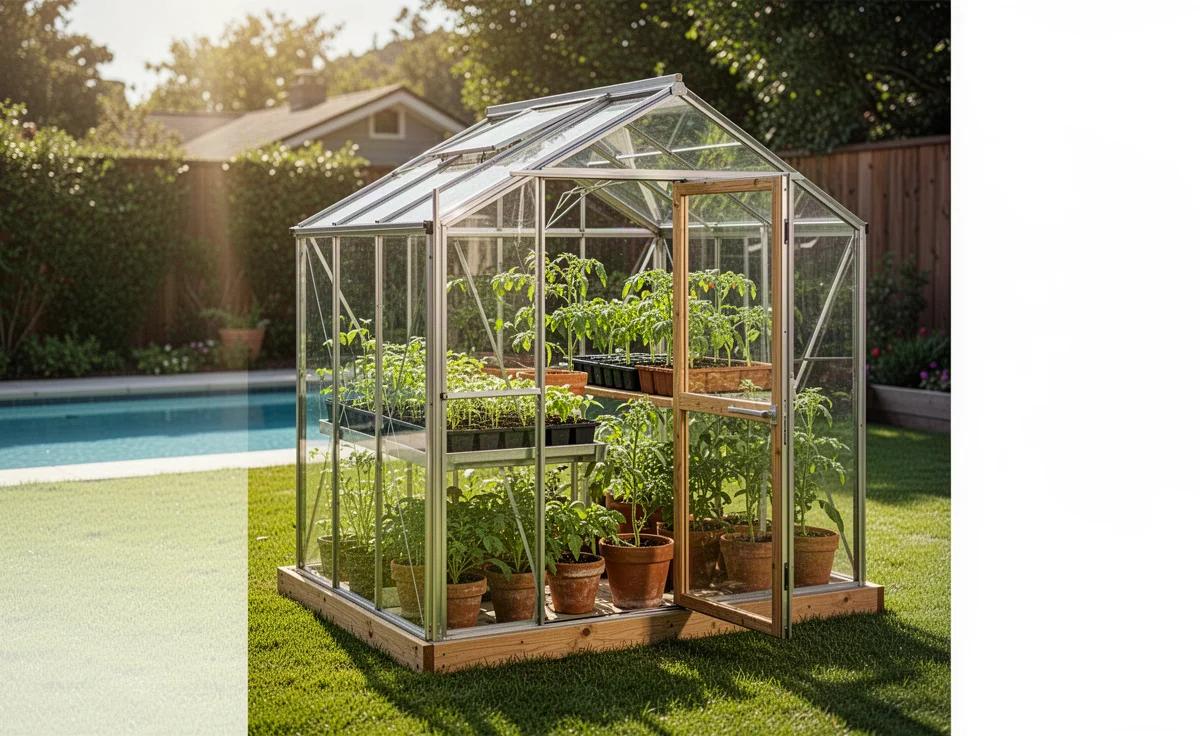
By TheYardForge — outdoor and garden gear, analyzed honestly for real backyards
Every spring, the same frustration hits: seedlings on the windowsill stretch toward the light, then collapse the moment they meet real wind. A greenhouse fixes that, but the price tag does not. The direct answer is simple: you do not need a glass palace to extend your growing season. The best cheap greenhouse for a small garden is a compact polycarbonate or PVC-covered model under $200, placed against a south-facing wall, paired with recycled shelving. You can build a cold frame for under $50 using old windows and scrap wood. The real trick is not spending more; it is choosing the right size, anchoring it well, and using every inch intelligently. In this guide, we break down what actually works on a real backyard budget.
Pick the Right Cheap Greenhouse Type
Not every budget greenhouse is worth your money. The two types that actually hold up in a small garden are polycarbonate panel kits and heavy-duty PVC tunnel houses. Glass looks lovely but costs more and breaks easily. Below is a straightforward comparison.
| Type | Best For | Typical Issues |
|---|---|---|
| Polycarbonate panel kit | Year-round use, windy spots | Panels can pop out in storms |
| PVC/PE tunnel house | Seed starting, mild climates | Cover wears out after 2-3 seasons |
| DIY cold frame | Hardening off, leafy greens | Limited height for tall plants |
Based on the specs and owner reports, the Palram greenhouses are the most durable budget-friendly panel kits we have analyzed. They are not the cheapest option available, but they survive wind far better than flimsy alternatives. The compromise is assembly time and the need for a level base. Skip it if you only need something for a single spring.
For a true budget tunnel, Outsunny offers compact walk-in models that work surprisingly well for tomatoes and peppers, provided you anchor them properly.
Steps to Set It Up Without Wasting Money
Follow these steps to keep costs down and avoid the classic mistakes:
- Choose the spot first, not the greenhouse first. A south or southwest exposure with wind protection from a fence or hedge is worth more than an expensive model.
- Level the ground. Use sand or reclaimed pavers. A warped frame is the number one reason cheap greenhouses fail early.
- Anchor it aggressively. Use ground stakes, sandbags, or screw anchors. Most wind damage we see in reviews comes from skipped anchoring.
- Use recycled shelving. Old wooden planks, cinder blocks, and second-hand wire racks beat expensive greenhouse staging every time.
- Ventilate daily. Small greenhouses overheat fast. Open the door or vents in the morning, even on cool days.
For genuinely affordable larger spaces, cheap greenhouse ideas that actually hold up covers polycarbonate options in more detail.
What to Grow First
Start with fast wins to justify the space. Lettuce, spinach, radishes, and herbs tolerate temperature swings and give you confidence before you move to fussier tomatoes. Based on owner reports, most first-time greenhouse users succeed with leafy greens and fail with heat-loving crops that demand careful ventilation. Do not overcrowd. A 4x6 foot greenhouse fits roughly six to eight mature lettuce plants comfortably, not thirty.
Quick note: some links in this article are Amazon affiliate links, they support the blog at no extra cost to you.
Avoid These Budget Greenhouse Mistakes
Most cheap greenhouse failures come down to three avoidable errors that owners report repeatedly. The first is choosing a shaded corner because it “looks nice” there. A greenhouse in shade is just a damp plastic box; it needs at least six hours of direct sun during the growing season, especially in spring when the sun is lower. The second mistake is overstuffing the interior. In a 4x6 foot space, cramming in dozens of seed trays seems productive but blocks airflow and invites mildew. Leave a narrow center path even if it feels wasteful. The third error is ignoring the base. A greenhouse placed directly on grass will sink, wick moisture into the frame, and tilt within weeks. Spend an afternoon laying down weed fabric, a layer of gravel, and then compacted sand before assembly. These three fixes cost almost nothing and extend the life of a budget structure by several seasons.
Seasonal Upgrades That Cost Less Than $30
You can improve a cheap greenhouse without replacing it. In early spring, line the north wall with foil-covered cardboard or reflective bubble insulation to bounce more light onto seedlings; this simple trick can reduce legginess noticeably. In summer, hang a small battery-powered fan from the ridge to push hot air toward the door opening — circulation matters more than additional vents. In autumn, add a row of black-painted water jugs along the back wall. They absorb heat during the day and release it slowly at night, which can keep nighttime temperatures two to four degrees warmer inside. None of these upgrades require permanent modifications, so you can adjust them as your growing habits change. The goal is not to transform a $150 tunnel into a professional grow house; it is to remove the specific limitations that cheap materials create, one season at a time.
FAQ
What is the cheapest way to build a greenhouse? A cold frame made from old windows and scrap lumber costs under $50 and handles seed starting and hardening off perfectly. It is the most affordable entry point for a small garden.
Do cheap greenhouses work in winter? They extend the season, but without a heat source they will not keep frost-tender plants alive through a hard freeze. Polycarbonate panel kits hold heat better than PVC tunnels.
How do I stop my cheap greenhouse from blowing away? Anchor every leg with ground stakes or screw anchors, and add sandbags along the base. Skipping this step is the most common cause of destroyed budget greenhouses.
What size greenhouse do I need for a small garden? A 4x6 or 6x6 foot footprint fits against a wall or fence without overwhelming a small yard. Measure your space before buying; most returns we see in reviews are due to size miscalculation.
Are polycarbonate greenhouses better than plastic film ones? For durability and wind resistance, yes. Polycarbonate panels last longer and insulate better, but they cost more upfront and take longer to assemble.
A cheap greenhouse is less about the structure and more about placement, anchoring, and realistic expectations. Pick the right type for your climate, anchor it well, and start with forgiving crops. That is how you get real value from a small garden budget.