Cheap Greenhouse Ideas That Actually Hold Up
Looking to start seeds without a massive price tag? We break down cheap greenhouse ideas that work, from upcycled window frames to budget-friendly poly tunnels, plus what to avoid.
By TheYardForge — outdoor and garden gear, analyzed honestly for real backyards
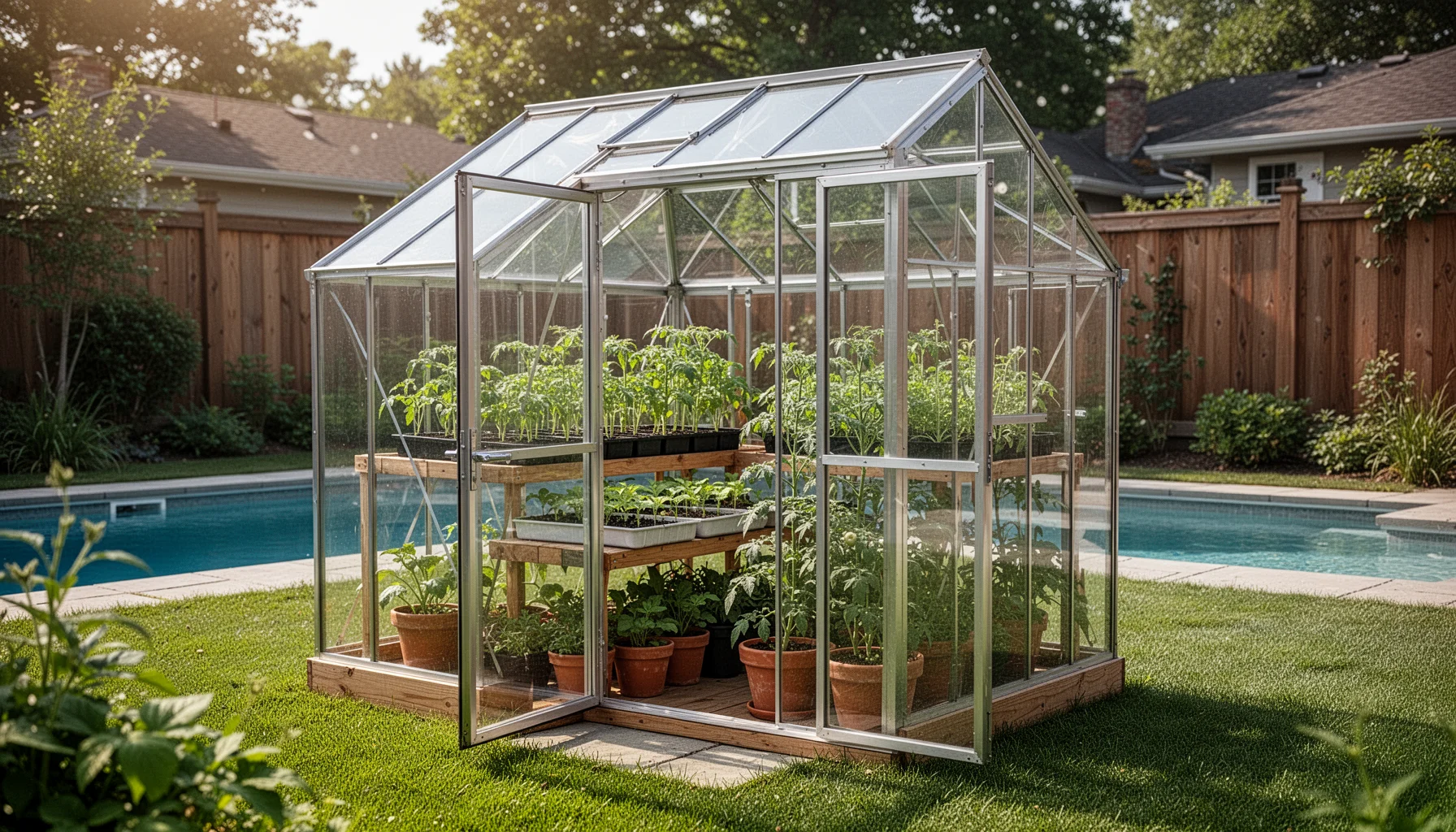
You walk into a garden center in early spring and see a beautiful cedar greenhouse with a price tag that makes you physically wince. That moment of sticker shock is where most backyard dreams stall. You can absolutely extend your growing season and protect seedlings without spending a fortune, and the secret is focusing on structure and light, not on a fancy frame. The best cheap greenhouse ideas fall into three camps: repurposing everyday materials you might already have, stretching durable plastic sheeting over a simple frame, or finding the smallest ready-made kit that actually withstands a gust of wind. The goal is a stable microclimate that stays a few degrees warmer than the outside air and blocks the wind, not a palace for plants.
The Gold Standard of Budget Builds: Upcycled Windows
If you only pursue one idea here, make it old window frames. When a neighbor remodels or a local salvage yard has a stack of discarded vinyl or aluminum windows, you have the makings of a mini greenhouse with actual glass. The rigid panes hold heat far better than plastic film and they do not flap in the wind. The main tradeoff is weight and the time it takes to cobble together a frame. You need a solid wood or metal base and you will likely need a helper.
The step-by-step process, based on what works:
- Source 4-6 matching windows of a similar size. Single-pane is lighter and perfectly adequate.
- Build a simple, level rectangular frame from 2x4 lumber as your base. A slight angle for the roof helps rain slide off.
- Mount the windows vertically as your walls, attaching them with heavy-duty hinges or sturdy brackets to the frame. Leave one unsecured to act as a door.
- For the roof, either use two more windows meeting at a peak or, for a cheaper and lighter solution, stretch a single sheet of 6-mil clear polycarbonate plastic across the top and staple it securely.
This is general orientation, not a professional construction plan. A glass structure can be heavy and dangerous if it collapses; if your build gets large, consult a professional for the load-bearing structure.
Mini Tunnels and The $50 Hero
For the absolute fastest and cheapest solution, a low tunnel or a very small ready-made walk-in is hard to beat. A low tunnel is simply a series of PVC or metal hoops pushed into the ground, with a skin of clear 6-mil greenhouse plastic pulled tight over them and weighed down at the edges. It costs very little, but it is a pain to weed in because you have to lift the whole sheet. For a more practical daily-use structure, a small walk-in model from a no-frills brand often costs less than the materials for a big DIY wooden build.
Quick note: some links in this article are Amazon affiliate links, they support the blog at no extra cost to you.
Here is how a couple of budget-friendly ready-made options compare to the DIY window idea for a small backyard setup:
| Idea | Best For | The Tradeoff |
|---|---|---|
| Upcycled Window Greenhouse | Gardeners with access to salvage, who want a permanent, attractive glass structure. | Heaviest build; significant time investment to source and assemble. |
| Palram Mini Lean-To | Someone against a sunny house wall, who wants a rigid, hail-proof shell without building. | Check the current price on Amazon; needs a solid flat surface. |
| Outsunny Walk-In Tunnel | Renters or those wanting a 6x4-foot space up in an afternoon, no tools needed. | The fabric cover will degrade over a few seasons; it is not a permanent structure. |
If you go with something like the small Palram, you are getting a clear polycarbonate shell that snaps together and is genuinely rigid. It bolts down. The assembly instructions can be fiddly, but you end up with a structure that shrugs off a heavy downpour. The Outsunny walk-in, on the other hand, arrives as a pole frame and a PE cover that zips shut. It is a glorified tent, but for starting a tray of lettuce in March, it works great. Skip it if you live in a genuinely windy spot where a zippered cover will turn into a sail.
The Skin Decides: Plastic Sheeting Smarts
The single biggest mistake with cheap greenhouses is using the wrong plastic. A thin 2-mil painter’s drop cloth will shred within a week. The upgrade that makes any cheap frame viable is going to 6-mil clear, UV-treated polyethylene sheeting. This is the plastic used for commercial hoop houses. It is sold by the roll, feels like a heavy tarp, and will last 2-4 years before it gets cloudy and brittle. Secure it with furring strips, screwing the plastic to the frame, never just with staples alone. That small upgrade stops the flapping that destroys both the plastic and your nighttime warmth.
Related reading
- Greenhouse Buying Guide for Beginners
- Cheap Greenhouse Ideas DIY for Any Backyard
- DIY PVC Greenhouse Ideas for Cheap Backyard Setup
FAQ
What is the absolute cheapest way to make a greenhouse? A low tunnel made from PVC pipes and a 6-mil clear plastic sheet is usually the cheapest viable option. You bend the pipes into an arch over a garden bed and cover them, creating a mini protected row.
Do plastic greenhouses stay warm enough in winter? A single layer of plastic adds maybe 5-10 degrees of frost protection, which is enough to keep hardy greens alive. It will not keep tropical plants warm in a hard freeze without an additional source of heat.
Can I really build a greenhouse out of old windows? Yes, this is one of the most durable cheap builds, provided the windows are still in good square condition. The tricky part is building a frame sturdy enough to hold the weight of the glass safely.
What should I use for a cheap greenhouse floor? Landscape fabric topped with pea gravel is the best balance of cheap and functional. It stops weeds, drains water immediately, and does not become a slippery mud patch. Avoid leaving a bare dirt floor in the main path of a small space.
The Bottom Line
A cheap greenhouse is about giving yourself a warm, windless pocket to get a head start on spring. You make that pocket either by spending your weekend building a window-frame fortress or by spending a modest amount on a rigid kit that you anchor down. In both cases, the win is the same: the smell of damp soil in February while your neighbors are still staring at the snow.