Bestway or Intex Above Ground Pool, Which Wins
Bestway vs Intex above ground pools compared on build quality, price, and real owner feedback. Here is which one fits your yard and budget. A practical guide.
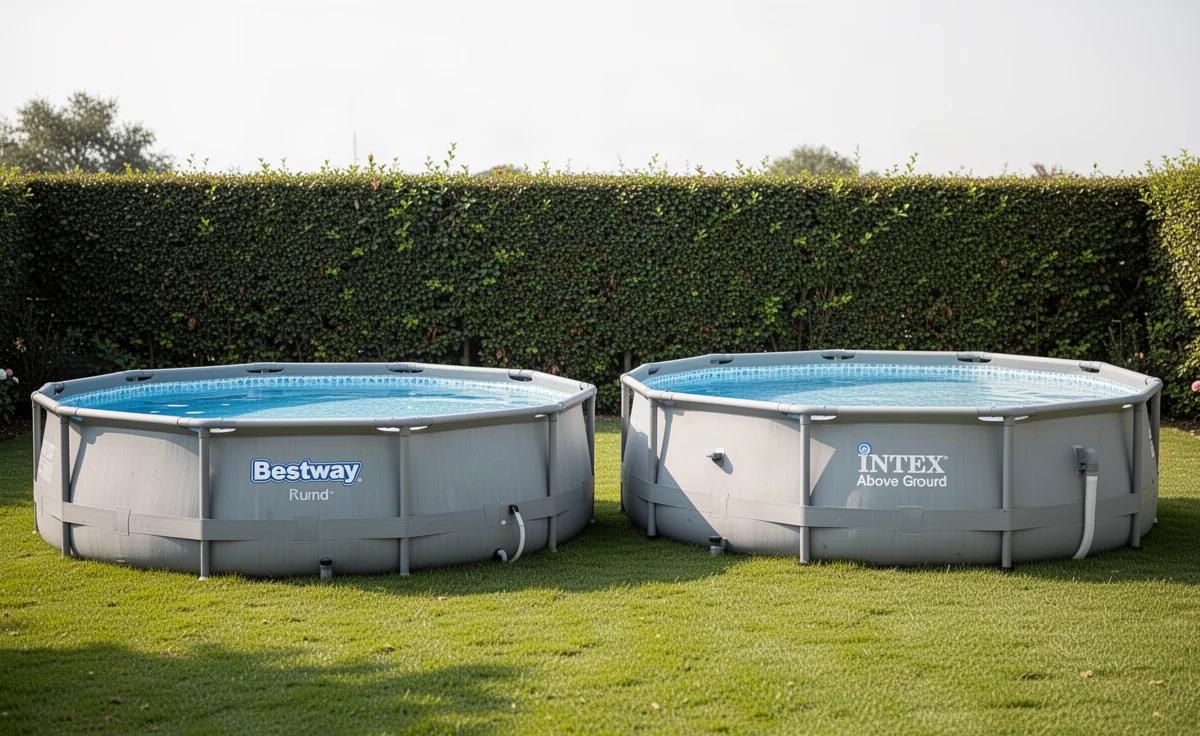
By TheYardForge — outdoor and garden gear, analyzed honestly for real backyards
You have narrowed it down to two brands, and now every forum thread seems to pull you in a different direction. That is usually a sign the decision comes down to your specific yard and how you plan to use the pool, not some universal ranking.
Here is the direct answer. If you want a durable, long-term seasonal pool that stays up for months and survives kids, dogs, and frequent use, pick Intex. Their steel and ultra frames are generally sturdier, and replacement liners and parts are easier to find in North America. If you want the lowest upfront cost, a simpler setup for occasional summer use, or a smaller round pool for young kids, Bestway often wins on price and includes useful accessories like filter pumps and covers in the bundle. Intex for longevity, Bestway for a budget-friendly starter pool. That is the honest split we keep coming back to when reading through real owner reports on this comparison.
Quick note: some links in this article are Amazon affiliate links, they support the blog at no extra cost to you.
Head to head on build and materials
Based on the manufacturer specs and owner feedback, the biggest difference shows up in the frame and liner quality.
| Criterion | Bestway | Intex |
|---|---|---|
| Frame strength on medium and large pools | Good on smaller models, thinner steel on larger ones | Generally sturdier, especially the Ultra XTR line |
| Liner feel and puncture resistance | Functional, sometimes noticeably thinner | Thicker three-ply liner on many models |
| Included accessories | Often bundles filter pump, cover, and ladder | Varies more by package, fewer bundles in our analysis |
| Part availability for repairs | Decent, but patchy on older models | Excellent, liners and pumps widely available |
| Best for | Small yards, first-time buyers, tight budgets | Families, frequent swimmers, multi-season use |
Neither brand is poorly made for the price. The difference is that Bestway pools lean into the entry-level market, while Intex pools compete more directly on durability and repairability.
How to choose in four steps
If you are stuck, work through this order rather than comparing specs sheets blindly:
- Decide how long the pool stays up. If it goes up in June and down in September every year, Intex earns the higher price. If it is a weekend thing for a few hot weeks, Bestway is plenty.
- Measure the actual flat space in your yard. Round models up to 12 feet fit most suburban lawns. Rectangular pools need more clearance on every side, plus a level base.
- Check which parts you can realistically replace. Intex liners, hoses, and pump fittings are easier to source across the US, Canada, and the UK, which matters if a liner tears in year two.
- Compare complete bundles, not just the pool price. A cheaper Bestway pool without a decent pump may end up costing more once you add filtration separately.
Which one to pick based on your situation
Pick Bestway if you want the lowest upfront cost, a small round pool for toddlers, or a simple setup you will drain and store every few days. You also get useful accessories in many bundles, which shortens the shopping list.
Skip Bestway if you plan to leave the pool standing all summer, have older kids who lean on the walls, or want a rectangular pool for lap swimming. The lighter frames and thinner liners on larger Bestway models show their limits there.
Pick Intex if you want a seasonal pool that holds up to daily use, easier repair options, and a wider range of rectangular and deep models. The Ultra XTR line in particular keeps showing up in owner reviews as the one people keep for multiple seasons.
Skip Intex if you only have a tiny patio, a very tight budget, or want the absolute simplest setup and do not care about long-term durability.
You can find both brands at comparable sizes, so the decision really does come down to how hard you plan to use the pool. For occasional cooling off, save the money. For a backyard that becomes the summer hangout spot, spend a bit more on the frame and liner.
FAQ
Which is more durable, Bestway or Intex?
Intex is generally considered more durable, especially on medium and large models with steel or Ultra XTR frames and thicker three-ply liners. Bestway holds up fine for light use but often shows wear faster under heavy daily use.
Are Bestway and Intex pool parts interchangeable?
No, filters, hoses, liners, and fittings are brand-specific in most cases, and sometimes even model-specific. Replacement parts for Intex pools are typically easier to find than for Bestway.
Which brand is cheaper?
Bestway tends to be cheaper at comparable sizes, especially once you factor in the included accessories like filter pumps and covers. Check the current price on Amazon for the exact model you are considering, since pricing shifts throughout the season.
Which brand has better pump and filter systems?
Intex filter pumps are generally regarded as slightly more reliable and easier to find replacements for. Bestway pumps work fine for smaller pools and light use but are less of a strong point on larger setups.
Can I leave both brands up all year?
Neither brand is designed to stay up through freezing winters in most regions. Even sturdy Intex frames should be drained, cleaned, and stored properly during the off-season, and any electrical work should be handled by a qualified professional.
Conclusion
Bestway wins on price and simplicity for small, occasional-use pools. Intex wins on long-term durability and repairability for families who swim often and plan to keep the pool for multiple seasons.