Greenhouse Buying Guide for Beginners in 2025
New to greenhouses? Learn what size, material, and style actually matter, common beginner mistakes, and which pick fits your yard and budget.
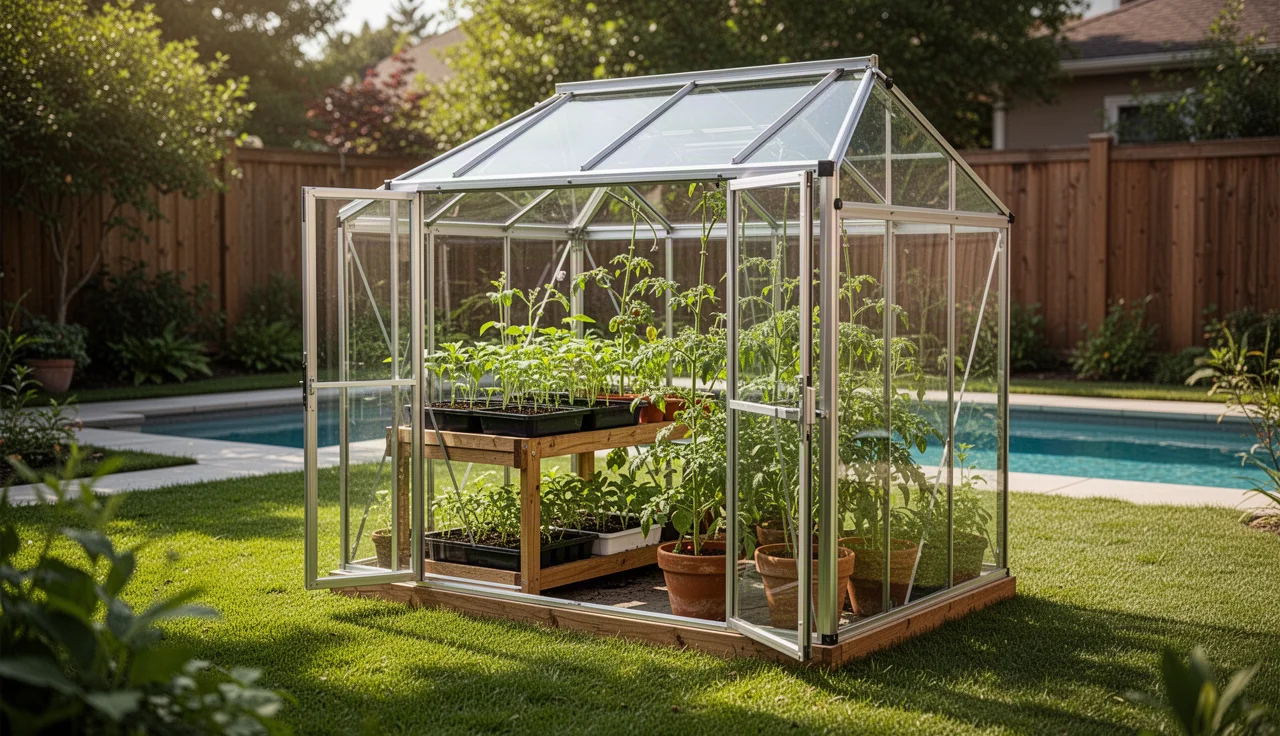
By TheYardForge — outdoor and garden gear, analyzed honestly for real backyards
You just cleared a sunny corner of the yard and started dreaming of homegrown tomatoes in March, and now every greenhouse on the internet looks identical. That feeling is normal, and the good news is the decision gets a lot simpler once you ignore the marketing and focus on three things.
The direct answer: most beginners are best served by a small to mid-sized polycarbonate greenhouse from a brand like Palram or Outsunny, placed in full sun, on level ground, with a proper foundation. For under a few hundred dollars, you get a structure that extends your growing season by weeks on each end. The frame should be aluminum or galvanized steel, never bare plastic. Avoid cheap PVC and thin film covers unless you live somewhere completely calm and mild. Glass looks beautiful but is heavy, fragile, and overkill for a first greenhouse. And before buying anything, check your local rules, because a greenhouse over a certain footprint may need a permit. Here is how to choose one you will actually use.
What Actually Matters When Buying
The size, glazing material, and frame decide whether you love your greenhouse or curse it. Let's break each down.
Size: Buy bigger than you think, but only if the space and budget allow. Most beginners fill a 6x8 ft greenhouse in one season. A 4x6 ft model works for seedlings and a few pots, but you will hit the ceiling fast. Be honest about your goals. A shelf of herbs and two tomato plants needs far less than a serious propagation setup.
Glazing: Polycarbonate twin-wall panels are the beginner sweet spot. They insulate decently, diffuse light, resist shattering, and come pre-cut in kits. Glass offers the best clarity and lasts decades, but it is heavy, expensive, and a serious commitment. Single-layer polyethylene film is the budget route, common on cheap hoop houses, but it tears after a season or two and provides almost no insulation.
Frame: Aluminum is lightweight, rust-proof, and standard on quality kits. Galvanized steel is stronger but heavier. Painted steel can rust where the coating gets scratched. Thin plastic frames are for temporary cold frames, not real greenhouses.
Here is a quick comparison of the three main glazing types for beginners:
| Feature | Polycarbonate | Glass | Poly Film |
|---|---|---|---|
| Best for | Most beginners | Permanent installs | Tight budgets, temporary use |
| Insulation | Good | Moderate | Low |
| Weight | Light to moderate | Heavy | Very light |
| Durability | 10-15 years | 20+ years | 2-4 years |
| Price range | Check on Amazon | Check on Amazon | Check on Amazon |
How to Choose in 5 Steps
Follow this order and the choice gets much easier.
- Measure your space and sun. You need at least 6 hours of direct winter sun, ideally facing south. Leave room to walk around the structure for cleaning and repairs.
- Define your use case. Seed starting, winter greens, full-season tomatoes? A propagation shelf needs less height than vining plants. This determines size and internal layout.
- Set a realistic budget. Include the foundation and shelving, which many first-timers forget. A cheap kit becomes expensive when it blows over because it was not anchored.
- Pick your glazing and frame. For most beginners, twin-wall polycarbonate on an aluminum frame is the safe middle ground between cost, weight, and lifespan.
- Check the foundation requirements before ordering. Kits need level, solid ground. A timber or paver base is a common DIY weekend job, but anything structural should be planned carefully. This is general information, not professional advice.
Quick note: some links in this article are Amazon affiliate links, they support the blog at no extra cost to you. When you are ready to compare actual models, we recommend starting with a Palram greenhouse or an Outsunny model, both of which appear consistently in entry-level kits with decent owner reviews. For a deeper look at how to keep costs down, see our cheap greenhouse ideas for a real backyard budget.
Mistakes Beginners Make
The three most common failures we see in our analysis of owner reports are all preventable.
Skipping the foundation. A greenhouse is a big sail. Without proper anchoring, wind will move it, twist the frame, and crack the glazing. Level ground and solid anchoring are not optional.
Buying too small. Almost everyone wishes they had gone one size up within a year. If you are torn between two sizes, take the larger one you can afford and fit.
Ignoring ventilation. Greenhouses get shockingly hot, even in spring. You need roof vents, a door you can open, and ideally automatic vent openers for the days you are not home. A greenhouse without airflow is a solar oven for your plants.
FAQ
Do I need a permit for a greenhouse?
It depends on your local rules and the size of the structure. Small freestanding kits often fall below the permit threshold, but some municipalities regulate any permanent structure over a certain footprint. Check with your local building department before ordering.
Can I set up a greenhouse by myself?
Yes, general assembly and basic maintenance are fine for most DIYers, and most kits are designed for two-person weekend assembly. But any structural anchoring, foundation work, or electrical for fans or heaters should involve someone with real experience. This is general information, not professional advice.
Is glass or polycarbonate better for beginners?
Polycarbonate, almost always. It is lighter, safer to handle, and more forgiving during assembly. Glass makes sense for a permanent, high-end installation where light clarity is the top priority, but it raises the difficulty and cost significantly for a first greenhouse.
How much does a decent starter greenhouse cost?
You can find workable small kits for a low entry price and solid polycarbonate models in the mid-range, but prices shift constantly. As a rough ballpark as of mid-2025, expect to pay a few hundred dollars for something that will last, and always check the current price on Amazon for the model in your size.
Should I heat my greenhouse in winter?
Most beginners start without supplemental heat and use the greenhouse to extend the shoulder seasons instead of growing through deep winter. If you do add heat, follow the manufacturer instructions for any electrical or fuel-burning heater and respect local codes.
A greenhouse is one of the most rewarding ways to expand what you can grow, but it only works if the size, glazing, and foundation match your actual yard and habits. Start simple, anchor it properly, and you will learn more in one season than any buying guide can teach you.