Above Ground Pool Buying Guide for Real Yards
A practical guide to choosing an above ground pool. Compare types, sizes, and key features to find the right fit for your backyard and budget.
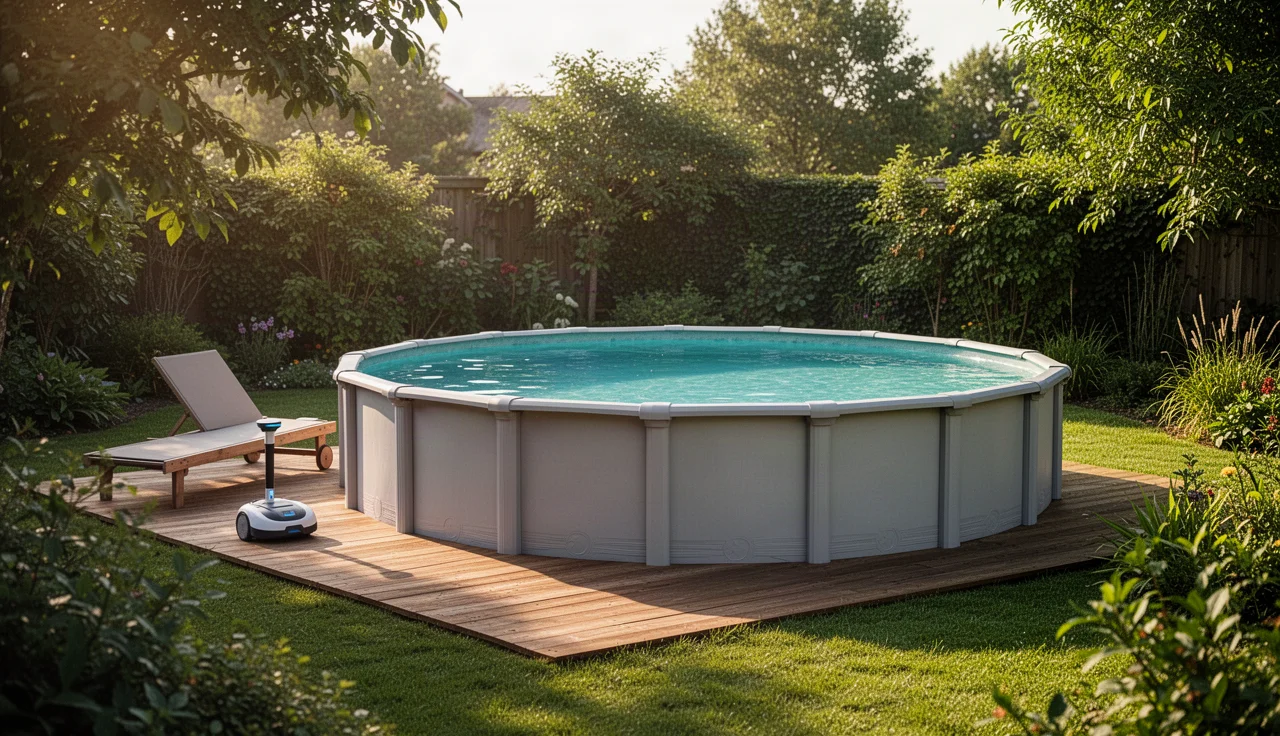
By TheYardForge — outdoor and garden gear, analyzed honestly for real backyards
If you're here, you're probably staring at a corner of your yard wondering if a pool would actually fit, get used, and not become a regret by August. That's the right question to ask before spending money. The short answer is that the best above ground pool for you depends on three things: who will swim in it, how much flat space you have, and how much maintenance you're honestly willing to do. Steel-frame pools from brands like Intex and Bestway offer the easiest entry point for families and renters, while resin or hybrid pools last longer in harsh sun and salt-air climates. In most cases, a round pool between 12 and 18 feet with a cartridge or sand filter is the sweet spot for a real backyard. Below, we break down the types, sizing logic, and the honest trade-offs so you can shop with your eyes open.
Choosing the Right Pool Type
The first fork in the road is construction. Each type fits a different kind of buyer, and skipping this step leads to overspending or premature disappointment.
| Pool Type | Main Use Case | Best For | Skip It If |
|---|---|---|---|
| Inflatable ring (Easy Set style) | Kids, seasonal fun | Small budgets, renters, first-time pool owners | You want multi-year durability or deeper water |
| Steel frame with liner | Family swimming, regular use | Most backyards, 3–7 seasons of life | You live in a humid coastal climate with heavy salt exposure |
| Resin or hybrid frame | Long-term fixture, harsh climates | Sun-drenched or coastal yards, permanent setups | You're on a strict budget or may move soon |
According to manufacturer listings, steel-frame pools dominate the mid-range because they balance cost and sturdiness. Resin components resist rust and UV degradation better, but they cost more upfront. Quick note: some links in this article are Amazon affiliate links, they support the blog at no extra cost to you.
If you want a dependable starting point, check current Bestway pool options on Amazon. For a comparable frame-style alternative, Intex pool models are also worth comparing side by side.
Sizing and Site Requirements
A pool that's too big turns into a maintenance burden. One that's too small frustrates teenagers by July. Work through these four steps before buying anything.
- Measure your actual flat space, then subtract 3 feet on every side for ladder access and cleaning.
- Match the pool size to your primary users: 10–12 feet suits small kids, 15–18 feet handles a family, 22+ feet is for swimmers wanting real laps.
- Verify the ground is level within about 1 inch across the footprint. Sloped ground needs professional site prep, not shims or sand piles.
- Check local zoning and fencing rules. Many municipalities treat any pool over a certain depth as requiring a permit and a safety barrier.
For a deeper look at the full process from leveling to winterizing, see our complete above ground pool setup guide.
Filters, Liners, and the Maintenance Reality
The pool itself is only half the purchase. The filter determines water clarity, and the liner determines longevity of the whole structure.
Cartridge filters are simple and cheap to maintain but need frequent cleaning in dirty or dusty environments. Sand filters go longer between cleanings and handle larger pools well, making them the default choice for 15-foot and bigger setups. According to manufacturer specs, pumps must be sized to your pool's water volume, so confirm the stated flow rate matches the gallon capacity of the model you pick.
Liners are equally important. Thicker gauges resist punctures from dogs, toys, and vigorous play. UV-stabilized liners last noticeably longer in full-sun yards. Never skip the ground cloth and consider a pool cover for the off-season to keep debris and algae from setting in.
General maintenance is absolutely fine to handle yourself, but pool electrical and plumbing work should always go to a qualified professional. More on that below.
Related reading
FAQ
Can I set up an above ground pool by myself? Yes, for basic assembly and seasonal maintenance. Leveling the site, filling the pool, and cleaning the filter are DIY-friendly tasks with patience. However, any electrical wiring for pumps or heaters, and any hard plumbing connections, should be done by a qualified electrician or pool professional.
How long does a steel-frame above ground pool last? Based on owner reports and manufacturer materials, a well-maintained steel-frame pool typically lasts 3 to 7 years. Resin-frame models can last longer, especially in harsh sun or humid coastal air, but they cost more upfront.
Above ground pool buying guide: what's the most common mistake? Buying the biggest pool that fits without thinking about filter capacity first. A pool that holds twice the water needs a pump rated for that volume, or the water goes green fast and maintenance becomes constant.
Do I actually need a permit for an above ground pool? It depends on your municipality and the pool's depth. Many areas require permits for pools over 24 inches deep and mandate fencing or ladders that restrict access. Check local rules before ordering.
Is a sand filter better than a cartridge filter? For most family pools over 15 feet, yes. Sand filters need cleaning less often and handle higher flow rates. Cartridge filters are simpler and cheaper upfront but require more frequent attention.
Can I leave my above ground pool up all winter? In most climates, yes, provided you drain it below the skimmer, balance the water, and use a proper winter cover. In areas with deep freezes, follow the manufacturer's winterizing instructions and confirm your liner and frame are rated for it.
An above ground pool is one of the best value upgrades for a backyard, but it only works when the size, site, and maintenance load match your reality. Take the time to measure twice and compare filter options before you buy.