Above Ground Pool Guide: From Setup to Care
Learn how to choose, install, and maintain an above ground pool. This guide covers pumps, liners, algae, and winterizing for beginners. A practical guide.
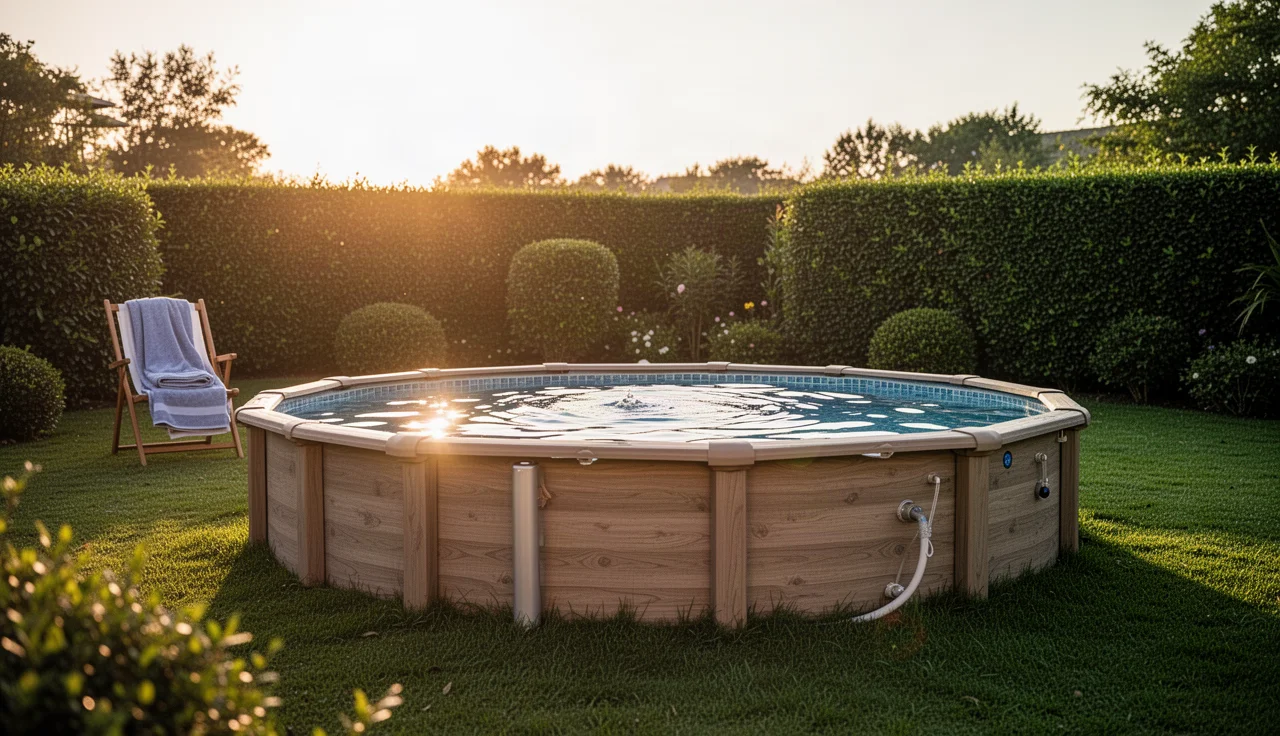
Choosing an above ground pool is a big decision, and it is easy to feel overwhelmed by all the brands, sizes, and maintenance advice out there. Whether you are a first time buyer or looking to upgrade, the goal is to find something that fits your yard, your family, and your free time. This guide walks through the entire process, from picking the right pool to keeping the water clear all season long. We will keep things honest and practical, so you can spend more time floating and less time guessing.
Choosing the Right Pool for Your Space
Before you even look at prices, measure your yard. You need a flat, open area that is a few feet larger than the pool on all sides. For tight spaces, you might think you are limited, but many models are designed to squeeze into smaller footprints. The Best Above Ground Pool for Small Backyards guide shows that round pools under 15 feet in diameter work well for modest lots without making the yard feel cramped.
When you compare the two biggest names, you will notice they have different strengths. Intex tends to offer more sizes, while Bestway often has softer, more flexible liners. If you are weighing the options, a detailed look at the Intex vs Bestway Above Ground Pool Comparison breaks down the frame styles and material thickness. For families, you want something that can handle splashing and play. The Best Above Ground Pools for Families Right Now list highlights models with sturdy steel frames and wider entry points, which are key for kids and guests.
Budget is a real factor for most people. A basic pool can be surprisingly affordable, but you need to check what is included. Some packages come with a pump and ladder, others do not. If you are on a tight budget, the Best Budget Above Ground Pools in 2025 guide helps you spot the deals that do not sacrifice too much on durability. For a full overview of what to look for, including warranties and replacement parts, the Above Ground Pool Buying Guide for Real Backyards is a smart starting point.
Comparing the Big Brands: Intex and Bestway
Most of the market is split between two brands, and each has a loyal following. The Bestway vs Intex Above Ground Pools Reviewed compares them side by side on things like frame thickness and liner quality. A key difference is the connection system. Bestway uses a T joint clip that can be easier to snap together, while Intex uses a lock pin that is secure but a bit fiddlier.
If you are choosing between specific shapes, think about how you will use the pool. A rectangular pool gives you more room for swimming laps, while a round one is cheaper and easier to install. The Bestway Steel Pro or Intex Rectangular Pool article explains why round frames are more forgiving on slightly uneven ground. For a deeper dive into which brand wins on value, the Bestway vs Intex Above Ground Pool Liner Replacement piece shows how liner prices and availability differ over time.
The Pump Is the Heart of the Pool
No matter which pool you buy, the pump is what keeps the water moving and clean. A weak pump can lead to algae and cloudy water, so this is not the place to save money. When comparing options, look at the flow rate and the filter type. The Bestway vs Intex Pool Pumps Compared Honestly review gives a clear picture of which pumps move more water per hour at different price points.
Intex pumps are usually cartridge based, which are easy to clean. Bestway offers both cartridge and sand filter options, and the sand ones do a better job with fine particles. The Bestway vs Intex Pool Pump Which One to Get article helps you decide based on how often you want to rinse the filter. For larger pools, a stronger pump is non negotiable. The Intex Pool Pump vs Bestway Pump Which Is Better comparison points out that pump power needs to match the pool volume, not just the brand name.
Setting Up on Level Ground
Skipping the ground prep is the most common mistake. If the ground is not level, the frame will twist and the liner can stretch and tear. You need to remove grass, roots, and rocks, then tamp down the soil. A layer of sand or foam padding helps protect the floor. The Level Ground for Your Pool Without the Headache guide offers a simple trick using a long board and a level to check for high spots.
Even a small slope can cause big problems, so take your time here. If you are setting up a pool for the first time, the process might seem long, but it saves you from calling a plumber later. The How to Maintain a Pool for Beginners guide also covers how to check the ground before every new season, since frost can shift soil over the winter.
Keeping the Water Crystal Clear
Green water is the most common panic moment, but it is usually fixable. The cause is almost always a free chlorine level that is too low, which lets algae bloom. The fix involves shocking the pool with chlorine and brushing the walls and floor. The How to Fix Green Pool Water Fast at Home method works in about 24 hours if you keep the pump running and backwash the filter the next morning.
For stubborn cases, you might need a second round of shock. The How to Fix Green Pool Water Fast and Easily plan is basically the same, but it adds a step for checking the stabilizer level. If the stabilizer is too high, chlorine will not work no matter how much you add. To prevent algae in the first place, the How to Get Rid of Pool Algae Quickly guide recommends running the pump for at least eight hours a day and brushing the walls weekly.
If you want to avoid chemicals altogether, you have options. A solar cover cuts down on algae by blocking sunlight, and a robotic vacuum picks up debris before it breaks down. The How to Clean Pool Water Without Chemicals article explains how a combination of filtration and physical removal keeps water clear for short periods, though you will still need some chlorine for regular use.
Maintaining the Liner and Frame
Rips and holes in the liner are inevitable eventually, but you can extend its life. Keep the water level consistent, since low water makes the liner shift. Avoid dragging metal tools across the floor. When it is time for a repair, you have two choices. The Intex vs Bestway Above Ground Pool Liner Replacement article shows that replacement liners are easy to find online, but you need to match the exact model number. Bestway liners sometimes fit multiple frames, while Intex is more specific.
For small punctures, a vinyl patch kit works fine. For larger failures, a full liner change takes a few hours. Keep the frame parts stored inside during winter to prevent rust. If the frame starts to rust, you can sand and paint it, but check the guides in the Intex vs Bestway Above Ground Pool Comparison for tips on which frames resist corrosion better.
Closing Down for the Winter
Winterizing is not optional if you live where it freezes. Leaving water in the lines can crack the pump and filter. The process is straightforward. First, balance the water and add a winter kit that includes an algaecide and a floater. Then, lower the water level to below the skimmer. The How to Winterize an Above Ground Pool Step by Step guide walks you through using an air compressor to blow out the lines, then plugging the returns.
Do not forget to cover the pool tightly. A loose cover lets leaves and debris in, which turns the water murky over the winter. You can also remove the pump and store it indoors. This extends its life and prevents freeze damage. A small label on each part helps you reassemble things in the spring.
Troubleshooting Common Issues
Even with good care, things go wrong. A pump that will not prime usually has a clogged skimmer basket or an air leak in the hose. Check the connections and refill the pump basket with water. If the water smells like chlorine but tests clean, you might have combined chlorine, which means you need to shock the pool to break it down.
Algae can be green, yellow, or black. Green is the easiest to treat, while black algae requires serious scrubbing. The How to Get Rid of Pool Algae Quickly guide suggests a high dose of chlorine for green algae and recommends calling a professional for black spots. If you want to learn more about which pump handles these issues, check the Bestway vs Intex Pool Pump Comparison article again.
Related reading
FAQ
How often should I run my above ground pool pump? Run it at least 8 hours a day during summer. In hot weather, 12 hours is better. Running it longer helps prevent algae.
Can I leave my pool up all year? If you live in a mild climate, yes. In freezing areas, you must drain the lines and cover it. The frame can stay up, but the pump should be stored indoors.
What is the difference between a cartridge and sand filter? Cartridge filters trap dirt on a paper element that you rinse off. Sand filters push water through sand, which catches particles. Sand filters need less cleaning but require backwashing.
How do I know if my liner needs replacing? If water leaks faster than the evaporation rate, you likely have a hole. If the liner is brittle or has many patches, replacing it is cheaper than endless repairs.