How to Fix Green Pool Water Fast at Home
Green pool water means algae, and it is fixable without draining. Learn the step-by-step method, the tools you need, and what to avoid.
By TheYardForge — outdoor and garden gear, analyzed honestly for real backyards
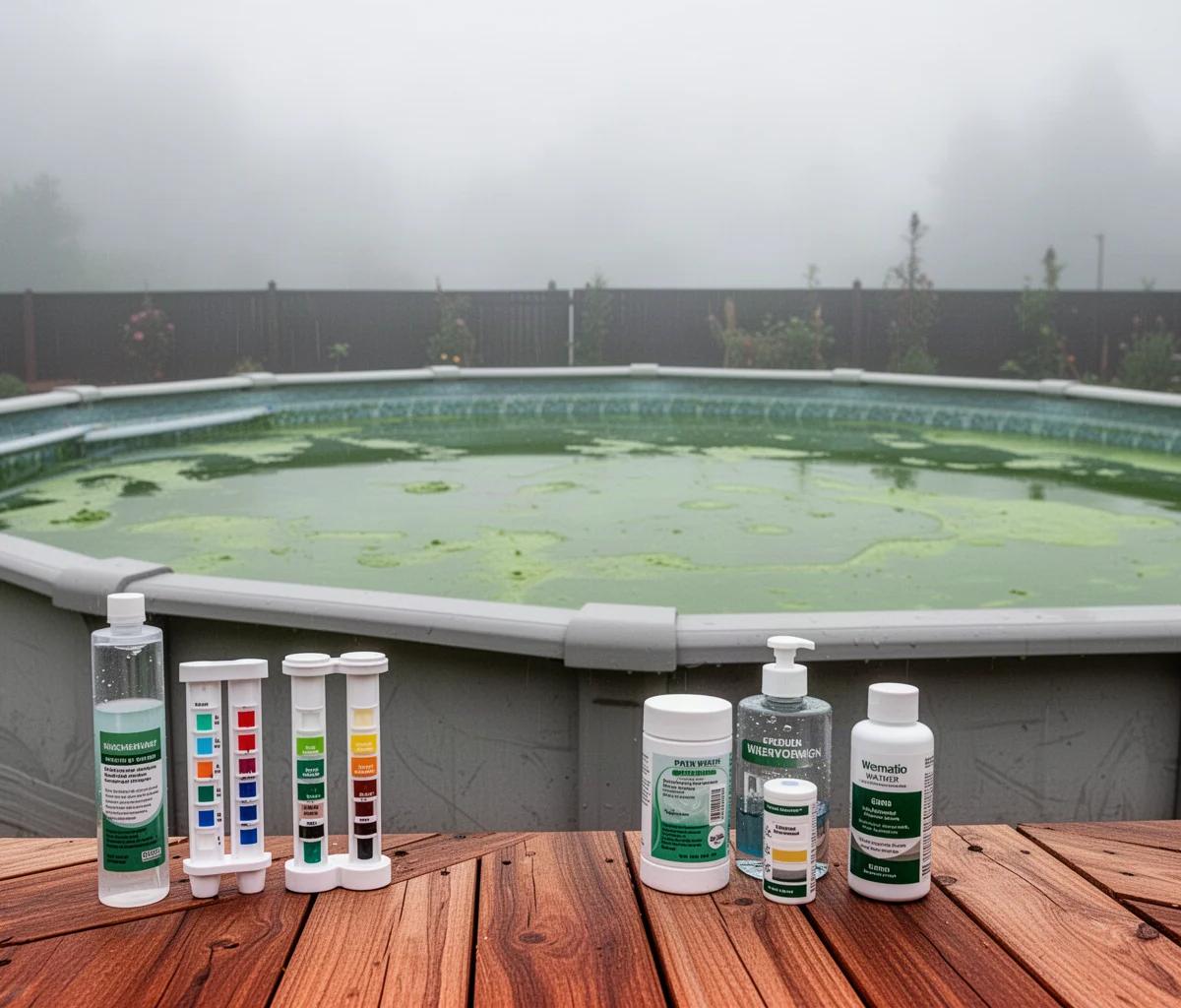
You lift the pool cover after a hot weekend away and find the water glowing like a lime sports drink. That green tint is almost always algae, and while it looks bad, the fix is straightforward. The direct answer: shock the pool with chlorine, brush every surface to break up the algae film, run the filter continuously for 24-48 hours, and then vacuum or backwash the dead algae out. Green water rarely means you need to drain the pool. It means the sanitizer level dropped too low, and algae took over. This guide walks you through the exact order of operations, what products help, and the mistakes that make the problem worse.
Quick note: some links in this article are Amazon affiliate links, they support the blog at no extra cost to you.
Why Your Pool Turned Green in the First Place
Green water is algae, not a metal stain, in most cases. Algae blooms when the free chlorine level drops to zero, usually after heavy rain, a pump that stopped running, or a week where nobody added sanitizer. Warm water speeds it up fast. The algae itself is not the root problem; it is the symptom of zero sanitizer.
The second cause, especially in well water or old pools, is oxidized copper. If you shock the pool and the water turns clear green or teal instead of cloudy green, that is metals, not algae. But for the cloudy, murky green that most homeowners see in summer, algae is the safe bet. If you are unsure, a quick test is to brush the wall. Algae poofs into a cloud. Metal stains do not.
For a deeper walkthrough of the algae removal side, we have covered how to get rid of pool algae quickly in a separate guide.
The Step-by-Step Fix for Green Pool Water
Follow this order. Most people fail because they shock first and brush later, or they skip the filter step.
Test and balance the pH first. Algae thrives in high pH. Before you shock, bring the pH down to the low end of the normal range, between 7.2 and 7.4. Chlorine works far more effectively when the pH is in range. Follow the manufacturer's instructions for the exact amount of pH reducer for your pool size.
Brush every surface. Use a pool brush on the walls, floor, steps, and corners. You are breaking the protective slime layer that covers algae. If you skip this, the chlorine attacks the outside of the algae colony and wastes itself.
Shock the pool hard. Use a calcium hypochlorite shock or a liquid chlorine shock. The exact dose depends on your pool volume and the severity of the bloom, so follow the label on the product you use. For severe green water, a double or triple shock dose is common, but confirm the numbers on the package or with a pool professional.
Run the filter nonstop. Let the pump run for 24 to 48 hours without stopping. The filter is what physically removes the dead algae from the water. A sand filter may need backwashing after the first 12-24 hours because it clogs fast.
Vacuum the dead algae. Once the water turns cloudy white or gray instead of green, the algae is dead. Vacuum the floor to waste if your filter has that setting, or vacuum normally and backwash afterward.
| Step | What it does | Common mistake |
|---|---|---|
| Balance pH | Makes chlorine effective | Skipping it, wasting shock |
| Brush surfaces | Breaks the algae slime layer | Shocking without brushing |
| Shock | Kills the algae | Under-dosing for the pool size |
| Run filter | Removes dead algae | Turning the pump off too early |
| Vacuum | Clears the debris | Vacuuming before algae is dead |
What You Need to Fix It
A basic pool maintenance kit with a good test kit, a sturdy brush, and a shock product covers most situations. If your pool came as a complete set from a brand like Intex or Bestway, the included pump can handle the job, but it will run slower than a dedicated sand filter. For above-ground pools, check the current price on Amazon for the Intex pool range to see what filter options they include. A quality telescopic pole and brush are worth having year-round, not just for algae season. Skip the cheap handheld test strips if you deal with algae more than once a year; a liquid drop test kit gives more reliable pH and chlorine readings.
Who this fix is for: owners of chlorine pools, both above-ground and in-ground, dealing with an active algae bloom. Skip it if your water has been clear green for weeks and shocking changed nothing; that is likely copper, and you need a metal sequestrant instead of chlorine. Skip it also if your pump or filter is broken; no amount of shock fixes a pool with no circulation.
Related reading
- How to Fix Green Pool Water Fast and Easily
- How to Get Rid of Pool Algae Quickly
- Kill Pool Algae Fast Without Ruining Your Water
FAQ
Can I swim in a green pool after shocking? No. Wait until the chlorine level drops back to the normal range and the water is clear. Test the water before anyone gets in.
How long does it take to clear green pool water? Most pools clear within 24 to 48 hours of continuous filtering after a proper shock. Severe blooms can take three to four days.
Do I need to drain the pool to fix green water? Almost never. Draining is for structural repairs or extreme chemical imbalances. Algae clears with shock, brushing, and filtration.
Will baking soda fix green pool water? No. Baking soda raises alkalinity, which is useful for balancing before a shock, but it does not kill algae on its own.
Why is my pool still green after shocking? Usually because the pH was too high, the dose was too low for the algae load, or the filter was not run long enough. Brush and re-test first.
The green pool looks worse than it is. Balance, brush, shock, filter, vacuum, in that order, and it clears. For more detail on the algae removal side, see our guide on how to fix green pool water without draining.