How to Get Rid of Pool Algae Quickly
Green, black, or mustard algae taking over your pool? Here’s exactly how to identify, scrub, shock, and filter it out fast based on owner reports and product specs.
By TheYardForge — outdoor and garden gear, analyzed honestly for real backyards
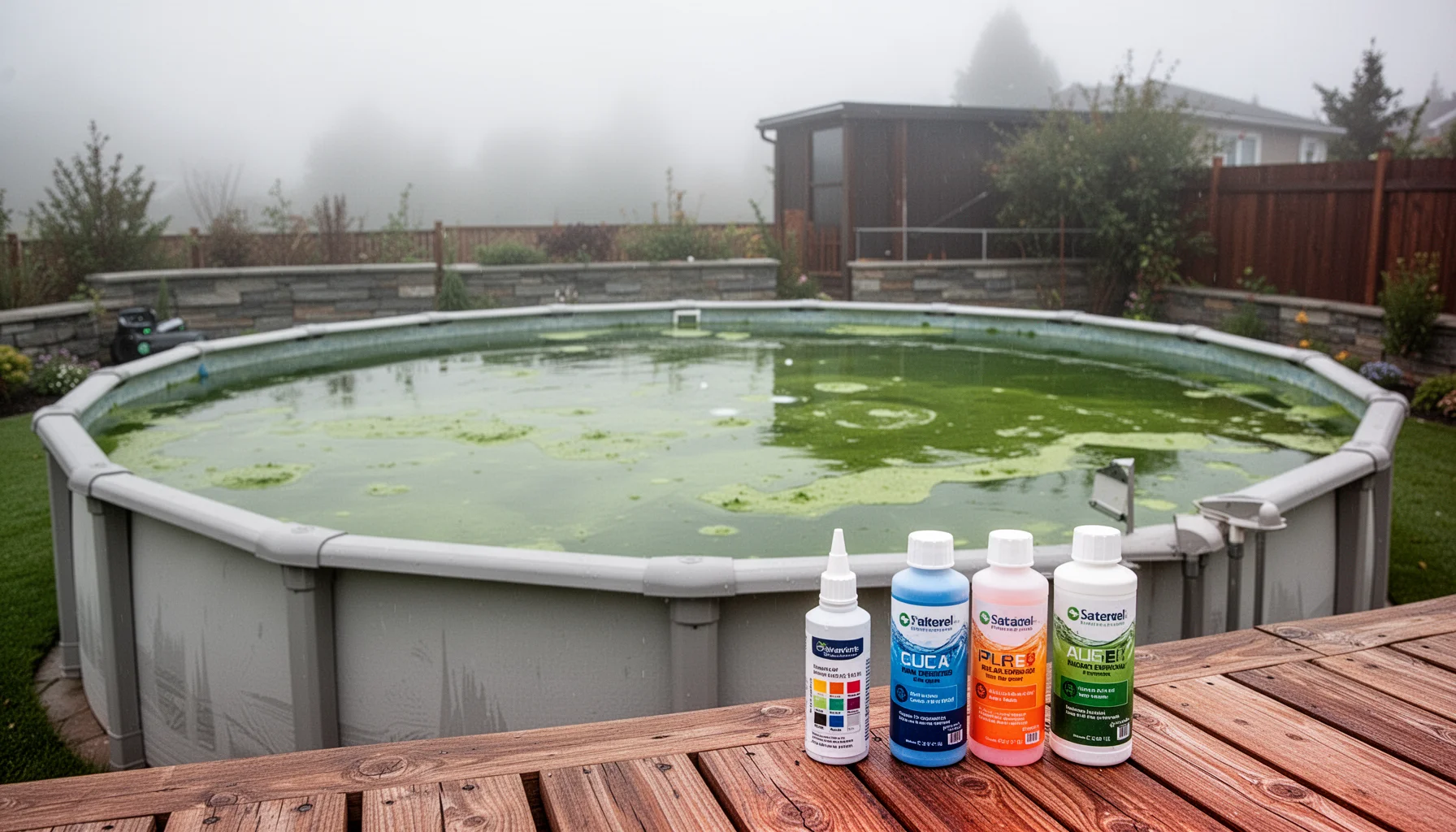
Green water can show up literally overnight. You finally have a free weekend, the sun is out, and your pool looks like pea soup. The good news is it’s fixable, usually in 24 to 48 hours. The core sequence, based on what consistently shows up in owner reports, is scrub, shock, filter, and repeat if needed. You’re tackling three main types: green algae (cloudy water, slippery walls), black algae (stubborn dark spots that dig into plaster), and mustard algae (yellow-green powder that brushes off easily but returns fast). Each needs the same basic discipline, just with different levels of shock. Here’s how to do it without making things worse.
Quick note: some links in this article are Amazon affiliate links, they support the blog at no extra cost to you. And a safety reminder before we jump in: always follow the exact dosing on your shock and algaecide labels, and if anything involving the pump wiring feels off, call a qualified electrician. This is general guidance, not professional pool-maintenance advice.
The Basic Algae-Killing Process
Algae is a living plant in your water. To kill it, you need to remove its food (debris), physically break its protective layer (brushing), and then hit it with a high dose of sanitizer (shock). Skipping the brushing step is the #1 mistake we see in owner reports, you can dump all the chemistry you want, but if the biofilm isn’t broken, the chlorine never reaches the roots.
Here’s the step-by-step sequence that works for green algae (the most common type):
- Remove debris: Scoop out leaves and bugs. Brush the walls and floor hard, especially corners and ladders where algae hides.
- Balance your pH: Test the water and adjust pH down to 7.2–7.4 if needed. Low pH makes your shock far more effective. Follow the specific guidance on your pH adjuster’s label.
- Shock heavily: For a visible green bloom, you’re likely looking at a triple or quadruple dose of a high-quality calcium hypochlorite or dichlor shock, not a maintenance dose. This is where you check your pool gallonage and follow the shock manufacturer’s chart for “algae treatment,” not just “routine shock.”
- Run the pump continuously: Keep water moving for 24 hours minimum. Dead algae turns milky white or gray; that’s your filter’s cue to capture it.
- Clean the filter daily: A clogged filter is useless. Backwash sand or DE filters; rinse cartridge filters. If your cartridge is old and struggling, a proper pool-grade replacement makes a real difference. The Intex Krystal Clear filter-pump cartridge is widely available (check the current price on Amazon), though larger in-ground pools will need a bigger system.
For black or mustard algae, you’ll typically add a specific algaecide after shocking, and you must brush those spots twice a day until they’re gone.
| Algae Type | Appearance | Key Extra Step |
|---|---|---|
| Green | Cloudy/pea-soup water; slippery walls | Triple-shock + 24-hr filtration is often enough |
| Black | Dark, coin-sized spots with deep roots | Must brush hard (stainless steel brush for plaster) before shocking |
| Mustard | Yellow-green powder; returns in the same spots | Requires a specific yellow-out algaecide; wash all swimsuits and toys too |
Stop It Coming Back Next Week
Killing algae is one battle; keeping your water clear is the habit. Algae returns when chlorine drops below its protective level, usually because of a clogged filter, too much sun, or heavy bather load. Three things tip the odds in your favor.
Keep a clean filter. A pool filter is your silent workhorse. When water can’t circulate freely, sanitizer can’t distribute. If your pump is undersized or your cartridge is caked, you’ll chase algae in the same dead spots forever. We’ve analyzed owner feedback on various cartridge systems; a well-maintained sand filter or a fresh Intex-style filter can prevent more algae than any chemical quick-fix.
Test frequently with a reliable kit. Guessing leads to over- or under-chlorinating. A drop-based test kit gives you more accuracy than strips. The Fiskars garden and tool range doesn’t cover this, but any dedicated pool test kit with orthotolidine or DPD drops will work, check the current price on Amazon for a pool-specific option that measures free chlorine, not just total.
Brush weekly, even when water looks perfect. Dead spots in stairs, behind ladders, and in wall seams are where algae colonies start. A two-minute walk-around with a pool brush stops you from repeating the whole shock-and-filter marathon.
Who it’s for: Pool owners who want a clear, actionable weekend fix. Skip it if: You’ve just filled a brand-new above-ground pool from Bestway or Intex and are dealing with cloudy water from fresh fill, you likely need an initial chemical balance, not an algae assault.
Related reading
- How to Maintain a Pool for Beginners
- How to Clean Pool Water Without Chemicals
- How to Fix Green Pool Water Fast and Easily
FAQ
Can I swim with algae in the pool? No. Algae itself isn’t the main risk; the real danger is that an algae bloom often means your sanitizer level is too low to kill harmful bacteria. Wait until the water is clear and your chlorine has returned to a safe swimming range (1-3 ppm for most pools, confirm with your test kit).
My pool is green even after shocking, why? You either didn’t brush enough to break the algae’s protective layer, or your pH was too high when you added the shock, making it far less effective. Also, a clogged filter won’t clear the dead algae. Re-test, re-brush, and ensure your pump is running continuously on a clean filter.
What’s the difference between shock and algaecide? Shock is a high dose of oxidizer (chlorine or non-chlorine) that kills algae and burns off organic waste. Algaecide is a preventative or specific treatment that disrupts algae’s ability to photosynthesize, but it generally won’t kill a heavy existing bloom alone. Use shock as your primary weapon.
How do I get rid of black algae for good? Black algae has deep roots that embed in pool plaster. You must scrape the surface with a stainless steel brush (for plaster pools) or a stiff nylon brush, then apply a targeted high-chlorine shock or granular shock directly to the spots. Repeated brushing twice daily until the spots vanish is the only reliable method we see succeed in owner reports.
A pool turning green isn’t a permanent scar on your weekend; it’s a straightforward problem with a proven fix. Brush like you mean it, shock aggressively based on your water volume, and let your clean filter do the rest. Once your water is back to crystal, a weekly brush and a quick test are usually all that stand between you and another pea-soup situation.