How to Clean Pool Water Without Chemicals
A realistic look at how to clean pool water without chemicals—mechanical, physical, and natural methods that help. Know the limits, what works, and when you should still use sanitizer.
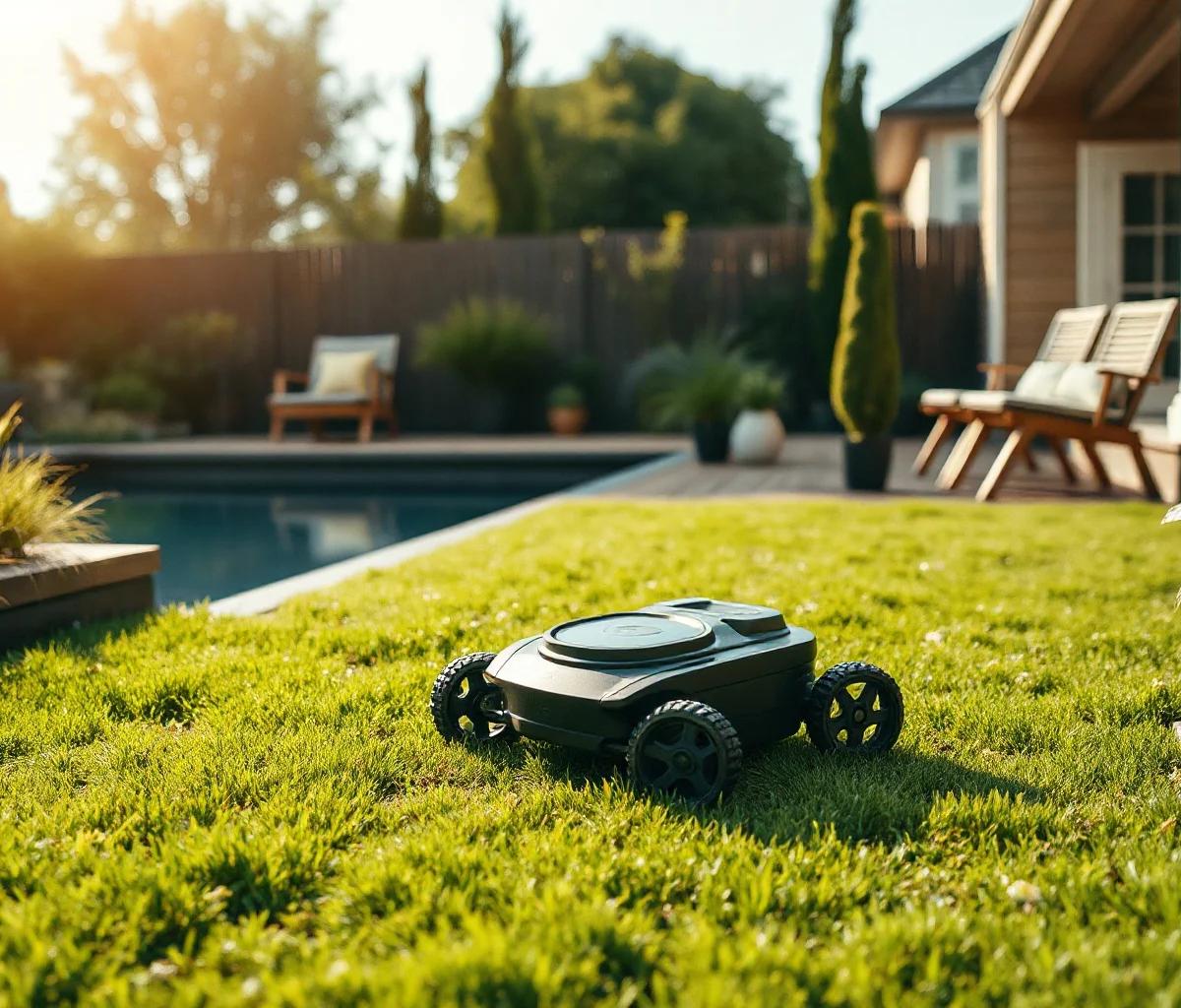
By TheYardForge — outdoor and garden gear, analyzed honestly for real backyards
Stepping into clean, clear water on a hot day is the whole point of having a pool. What happens when the idea of juggling chlorine pucks, shock bags, and pH balancers just feels like too much, or you want a gentler swim for sensitive skin?
The direct answer: you can absolutely improve pool water clarity and reduce chemical dependence using mechanical, physical, and natural methods, but you cannot completely sanitize pool water to a safe swimming standard in a typical backyard pool without any sanitizer at all. What you can do is dramatically reduce the chemical load needed and keep the water far cleaner between treatments. This guide walks through the tools and techniques that actually work, where they fit in a real backyard, and where their limits lie.
The Two Types of "Clean" You Need
To understand why going completely chemical-free is almost impossible, you need to split "clean" into two jobs.
| Goal | What It Means | Main Methods |
|---|---|---|
| Physical clarity | Removing leaves, dirt, and visible debris | Skimming, vacuuming, filtration |
| Biological safety | Killing bacteria, viruses, and stopping algae | UV light, ozone, a small amount of oxidizer |
Mechanical cleaning can handle the first job beautifully. The second job, killing the microscopic stuff that gives swimmers ear infections or turns the water green, is where the challenge lives. Without any sanitizer at all, you are counting on methods that work brilliantly in high-end commercial setups but are tough to scale down reliably.
3 Ways to Minimize Chemicals (That Actually Work)
Here is where to put your effort if you want the cleanest water possible with the smallest chemical footprint.
1. Run a Robot Pool Cleaner Like It’s Part of the Family
A dedicated automatic pool cleaner earns its keep by scrubbing walls and floors before debris decomposes into algae food. Fewer organics in the water mean less sanitizer demand. Models from brands like Bestway (for smaller above-ground pools) or the cordless options in the Intex range handle daily dirt collection so your main filter works less hard. Quick note: some links in this article are Amazon affiliate links, they support the blog at no extra cost to you.
2. Upgrade Your Filtration and Run It Long Enough
Most pool problems start with under-filtering. Here is the step-by-step reality check based on what we see in owner reports and spec sheets:
- Check your pump run time. Many residential pools need 8-12 hours of filtration a day in warm weather, not 4-6.
- Size your filter properly. An undersized sand or cartridge filter is the silent killer of chemical-free ambitions. If your pump struggles to turn over the full pool volume in 8 hours, it cannot keep up.
- Use a fine filter medium. Swapping standard sand for filter glass or upgrading cartridge micron ratings traps particles that would otherwise cloud the water.
- Backwash or rinse cartridges regularly. A dirty filter does almost nothing, and pressure gauges tell you exactly when to act.
3. Add UV-C Clarification (The Closest You’ll Get to Chemical-Free Sanitizing)
Inline UV-C units plumbed into the return line neutralize bacteria and algae as water passes through. Combined with aggressive mechanical cleaning, a UV system can let you run at a very low chlorine residual rather than zero. The catch is that UV only treats water that actually flows through the unit; it leaves no residual protection in the pool itself. This is why even UV pools usually keep a tiny background oxidizer level, something many owners aiming for "chemical-free" do not realize upfront.
The Natural Pond Approach (Skip It for Swimming)
You will see articles about barley straw, natural enzymes, or turning a pool into a living swimming pond. These rarely apply to a typical backyard pool built for swimming and splashing. Enzymes can help break down non-living organics like suntan oil, but they do not kill pathogens. Barley straw extracts show some algae-inhibiting effects in ponds, yet they cannot replace a sanitizer in a swimming environment with kids and regular use.
Related reading
- How to Get Rid of Pool Algae Quickly
- How to Maintain a Pool for Beginners
- How to Fix Green Pool Water Fast and Easily
FAQ
Can I use salt as a chemical-free alternative? Not exactly. A saltwater pool uses a salt chlorine generator to produce chlorine from dissolved salt. It reduces the need to handle and store chemical jugs, but the water still contains chlorine, just generated differently. It feels gentler on skin and eyes, which is why many owners switch, though it is not truly chemical-free.
Does a robot pool cleaner remove the need for chlorine? No. A pool cleaner scrubs surfaces and collects solid debris, which reduces the organic load that chlorine would otherwise attack. That lets you run a lower residual, but the cleaner itself does not sanitize the water or kill bacteria.
How often should I vacuum manually if I want fewer chemicals? Based on owner routines we see, vacuuming to waste once a week (especially after storms or heavy use) pulls out settled dirt before it clouds the water. Pair it with daily skimming and you remove the food source algae needs before it blooms.
Is a UV light system worth it for a small above-ground pool? For small seasonal pools, the plumbing cost often outweighs the benefit. Aggressive cartridge filtration plus a small residual sanitizer is usually the simpler path. In-ground pools with higher swimmer loads see bigger returns from a quality UV unit.
A pool that feels and looks clean without a strong chemical smell is a realistic goal. Mechanical cleaning, long filter cycles, and UV clarification get you remarkably close. Just go in knowing that a trace of sanitizer, often far less than a traditionally maintained pool, closes the safety gap that hardware alone cannot fully cover in most backyards.