Kill Pool Algae Fast Without Ruining Your Water
Pool algae is ugly, slippery and stubborn. Learn the honest, safe way to kill it fast and stop it from returning, based on real owner reports.
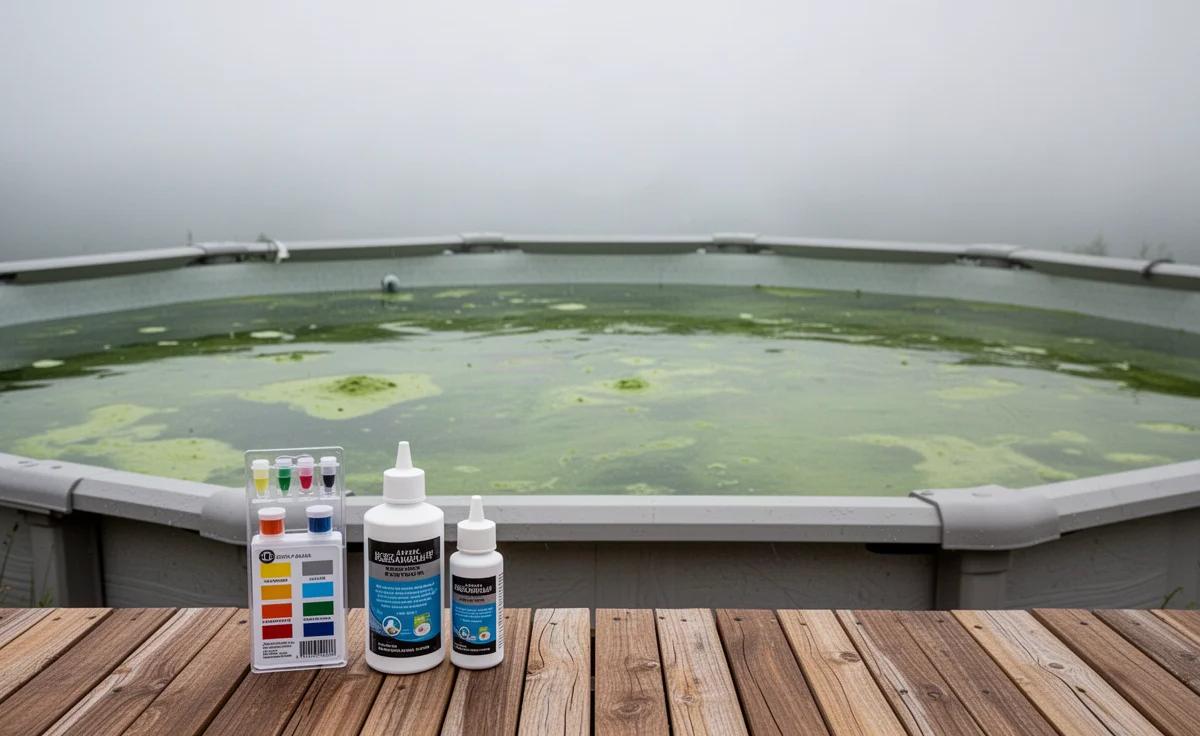
By TheYardForge — outdoor and garden gear, analyzed honestly for real backyards
You pull back the cover on a hot Friday afternoon and the water looks less like a pool and more like a swamp. Algae hits fast, especially after rain or a heat wave, and the instinct to dump in every chemical on the shelf is strong. That approach usually wastes money and can make the water unsafe to swim in.
The direct answer is this: you kill pool algae by brushing every surface to break its protective layer, shocking the water to oxidize the organic matter, running the filter continuously to remove dead algae, and then rebalancing the chemistry so it cannot regrow. Green algae clears fastest, while black and mustard algae need repeated brushing and longer filter runs. The single most common mistake is skipping the brushing step before shocking, which is why many pools turn cloudy but never actually clear up.
Here is the realistic part: the fix takes patience, not just product. Based on the specs of common pool chemicals and thousands of owner reports, a green pool usually clears in 24 to 48 hours. Mustard or black algae can take several days of repeated treatment. Below is the process that actually works, without the overcomplicated routines that sell more chemicals than necessary.
Identify What You Are Dealing With
Not all algae responds the same way, so a quick visual check saves you time. The table below summarizes the three common types and what they demand from you.
| Algae type | What it looks like | Difficulty to remove |
|---|---|---|
| Green | Cloudy water, slimy walls | Low to moderate |
| Mustard | Yellowish dust on shaded walls | Moderate, often returns |
| Black | Dark spots with roots in plaster | High, needs heavy brushing |
Green algae is by far the most common and usually appears after low chlorine or a clogged filter. Mustard algae is often mistaken for sand or pollen because it brushes away easily before reappearing within a day. Black algae forms protective heads that resist normal chlorine levels, which is why scrubbing is non-negotiable.
If your pool has turned fully green, you may also want to check our guide on how to fix green pool water fast at home, which covers the water clarity side in more detail.
The Step-by-Step Removal Process
This is the order that matters. Skipping step one is why most algae treatments fail.
- Brush the entire pool first. Use a stiff nylon brush for vinyl or fiberglass pools and a stainless steel brush for plaster or concrete. Focus on corners, steps, and behind ladders.
- Test and balance the pH. Algae fights back harder when pH is off. Aim for the range recommended by your chemical manufacturer, and avoid guessing.
- Shock the water. Use a chlorine-based shock for green algae. For black algae, you need repeated shocks and direct brushing of the spots.
- Run the pump continuously for 24 hours. The filter does the heavy lifting once the algae is dead. Backwash or clean the filter when pressure rises.
- Brush again and re-test. Dead algae settles as gray or white dust. Brush it loose and let the filter capture it.
- Add a preventative dose of algaecide. This is maintenance, not the main cure. It works best after the water is already clear.
A quick note: some links in this article are Amazon affiliate links, they support the blog at no extra cost to you. If your pool equipment is struggling to keep up, a quality test kit and a reliable filter pump matter more than premium algaecide. The Intex pool line, for example, is popular with owners who want straightforward, affordable setup, though the stock pump often needs an upgrade for serious algae recovery. Likewise, Bestway pool owners report similar results: the pool itself is fine, but a stronger pump makes clearing algae much faster.
Chemical Safety and Honest Warnings
Here is what we recommend most often: never mix different pool chemicals, and never add water to chemicals, always chemicals to water. Chlorine shock is powerful and can cause burns or dangerous fumes if handled wrong. We will not give you specific dosages here because the correct amount depends on your pool size and the exact product, and getting that wrong is genuinely dangerous. Follow the dosing on the manufacturer label and call a pool professional if you are unsure about wiring, pump repairs, or persistent algae that will not clear.
Also, be realistic about the timeline. A pool that went green over a week will not turn sparkling in one afternoon. Cloudy water after shocking is normal and means the algae is dead, just still floating. Keep the pump running and resist the urge to add more shock too soon. More chemicals rarely speed things up, but they often irritate eyes and skin later.
FAQ
Can you swim in a pool with algae? No, it is not recommended. Algae itself is not always dangerous, but it creates the right conditions for bacteria and makes the water slippery and hard to see through.
Why does my pool keep getting algae? Almost always because chlorine dropped too low or the pump ran too little. Heavy rain, high heat, and lots of swimmers all burn through chlorine faster than people expect.
Does algaecide kill algae? It prevents algae better than it kills an active bloom. Algaecide is useful after you have shocked and cleared the water, but it is not a substitute for chlorine and brushing.
Can I use bleach instead of pool shock? Technically household bleach contains chlorine, but concentration varies by brand and additives can cloud water. Pool shock is formulated for this job and is safer to dose correctly.
How long until green algae is gone? A mild case often clears in 24 hours with brushing, shock, and continuous filtering. A thick bloom may take 48 to 72 hours and possibly a second shock.
Pool algae is a solvable problem, not a mystery. The honest sequence is simple: brush, balance, shock, filter, and stay consistent. Most pools recover fully in a few days when you follow that order and avoid the urge to over-treat.