Robot Lawn Mower vs Gas Mower Pros and Cons
Robot lawn mower or gas mower? We compare noise, maintenance, cutting quality, slopes and cost so you can pick the right one for your yard. A practical guide.
By TheYardForge — outdoor and garden gear, analyzed honestly for real backyards
Your neighbor's robot is silently trimming its third pass while you're still yanking the starter cord on a machine that smells like a fuel spill. Annoying, right? The honest answer is this: for most flat or gently sloped yards under an acre with no heavy debris, a robot mower wins on convenience and noise. A gas mower still wins on raw power, tall or wet grass, and steep terrain. Which one fits your Saturday morning depends entirely on what your lawn throws at you.
What Each One Actually Does Well
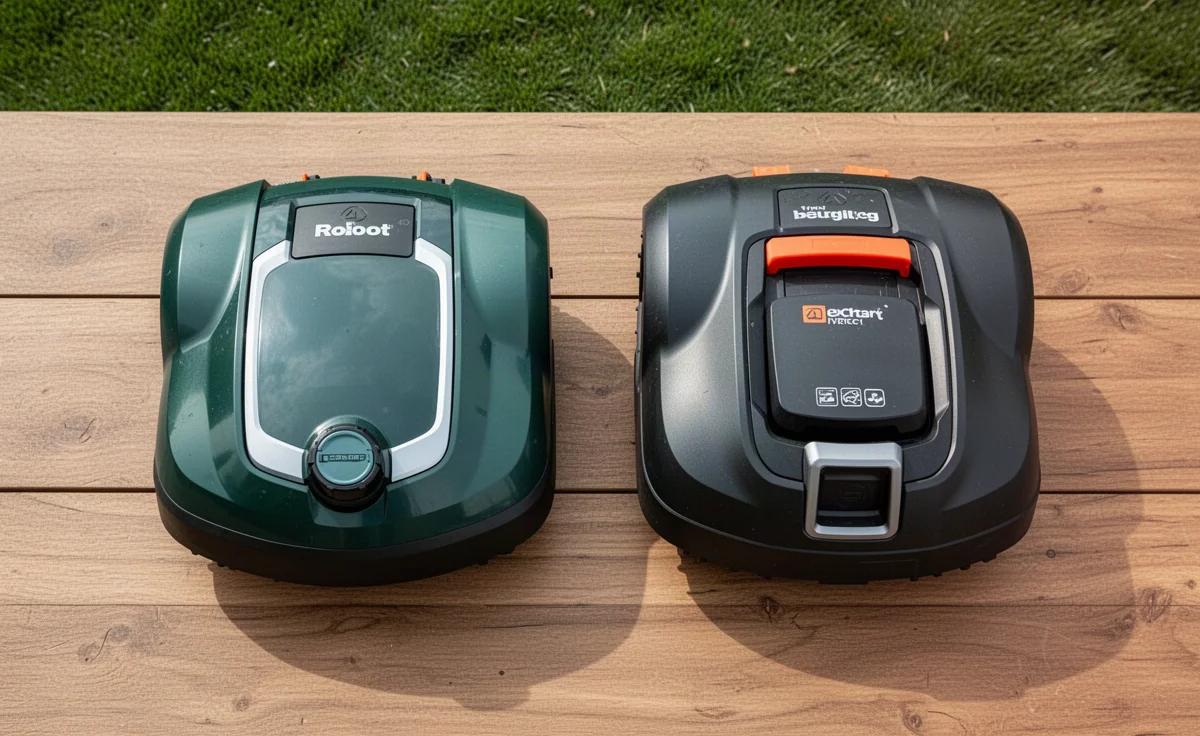
A robot lawn mower, such as the Worx Landroid, cuts a little every day and returns to its dock. You never push it, and modern models handle boundary wires and app scheduling without much setup drama. Gas mowers like the well-known Husqvarna Automower lineup, however, are self-propelled in many cases and eat through thick, overgrown grass in one pass.
Quick note: some links in this article are Amazon affiliate links, they support the blog at no extra cost to you.
| Criterion | Robot Lawn Mower | Gas Mower |
|---|---|---|
| Noise level | Very low, runs at night or early morning | Loud, often requires hearing protection |
| Maintenance | Blade changes every few months, occasional cleaning | Oil changes, air filters, spark plugs, winterizing |
| Cutting quality | Mulches fine clippings, requires frequent passes | Cuts tall and wet grass in one pass |
| Slope handling | Most handle 20-35% per manufacturer specs | Handles nearly any slope a person can stand on |
| Setup effort | Boundary wire or GPS mapping, docking station | Unbox, add fuel and oil, pull the cord |
| Running cost | Electricity, replacement blades | Fuel, oil, seasonal service |
The Real Trade-Offs Nobody Mentions
Here is the step-by-step reality of both machines, based on the specs and owner reports we analyze.
- A robot mower needs roughly 24-48 hours to map your yard and learn its boundaries. After that, it works while you sleep. A gas mower needs five minutes of prep and your full attention for an hour.
- Robots struggle with fallen branches, toys, and loose debris. Gas blades chop through most of it, though they also throw rocks dangerously.
- On steep slopes or bumpy turf, robot traction becomes a genuine problem. Many owners report the mower loses grip and needs rescue.
- Gas mowers require seasonal maintenance: oil changes, fuel stabilizer, and carburetor care. Skip one season and you are rebuilding a carburetor.
- Robots have a shorter cutting deck, usually 7-9 inches. That means more passes and slower coverage on wide-open lawns.
This leads to the common comparison we covered in our guide on robot mower vs regular mower, what to pick.
Which One Should You Pick
Pick a robot mower if you have a flat or gently sloped lawn under about 0.8 acres, you hate weekend mowing, and you can keep the yard free of toys, branches and pet waste. The Segway Navimow is a solid option for small to medium lawns without a boundary wire headache.
Pick a gas mower if you have steep hills, dense or wet grass, a large rural lot, or a yard full of obstacles and debris. A gas mower also costs less upfront, though fuel and maintenance add up.
Skip the robot if your lawn is heavily sloped, has constant obstacles, or you want a perfectly manicured striping look every time. Skip the gas mower if noise annoys your neighbors, you hate maintenance, or small frequent cuts fit your schedule better.
Common Installation Mistakes That Ruin a Robot Mower
Most robot mower failures happen in the first week, not from defects but from bad setup. The most frequent mistake is burying the boundary wire incorrectly around trees or flower beds. Owners often leave too little clearance, and the mower bumps the wire repeatedly or, worse, chews through it. Give every obstacle at least 12–18 inches of buffer beyond the wire. Another classic error is placing the charging dock in full sun without a cover. Direct heat shortens battery life and weakens the docking contacts over time. Also, avoid running the boundary wire parallel to long metal fences, as signal interference can confuse the mower’s return path. Before mowing day one, walk the entire perimeter with the app’s signal strength view if available, and mark weak spots with landscape flags so you can reposition the wire before burying it permanently.
Gas Mower Operating Habits That Cost You Later
A gas mower’s longevity depends less on brand and more on three habits most people ignore. First, never leave ethanol-blended fuel sitting in the tank for more than 30 days. Ethanol absorbs water and gunks up the carburetor faster than anything else. Second, don’t tip the mower on its side to sharpen or clean the blade unless you know which way to tip it. Tipping with the carburetor down floods the air filter with oil and causes hard starts for weeks. Always tip with the spark plug side up. Third, don’t cut more than one-third of the grass blade height in a single pass. Scalping the lawn shocks the grass and forces the mower to work harder, which burns fuel and dulls blades. If your lawn got away from you, raise the deck for the first pass, then lower it for a second cut the next day.
FAQ
Are robot lawn mowers worth the money? For small, simple lawns, yes. The time savings and quiet operation are real, but the upfront cost is higher than most gas mowers, so check current prices on Amazon before deciding.
Can a robot mower handle wet grass? Most manufacturers advise against cutting very wet grass. It clogs the deck and reduces traction significantly on damp slopes.
How long does a gas mower last? With regular oil changes and clean fuel, a quality gas mower can run ten years or more. Neglect maintenance and you shorten that lifespan fast.
Do robot mowers cut as well as gas mowers? On short, dry, even grass, a robot's frequent mulching produces a tidy lawn. On tall, thick or uneven growth, a gas mower still cuts more reliably in one pass.
What is the biggest hidden cost of each? For robots, replacement blades and occasional boundary-wire repairs. For gas mowers, seasonal fuel, oil, filters and sometimes carburetor service.
The robot wins on convenience and peace, the gas mower on power and toughness. Be honest about your slope, your debris, and how much you enjoy the weekly ritual. That answer tells you which machine will actually earn its keep in your yard.