Greenhouse Buying Guide for Beginners
New to greenhouses? This practical guide covers sizes, materials, glazing, ventilation and what to skip so you buy the right one the first time.
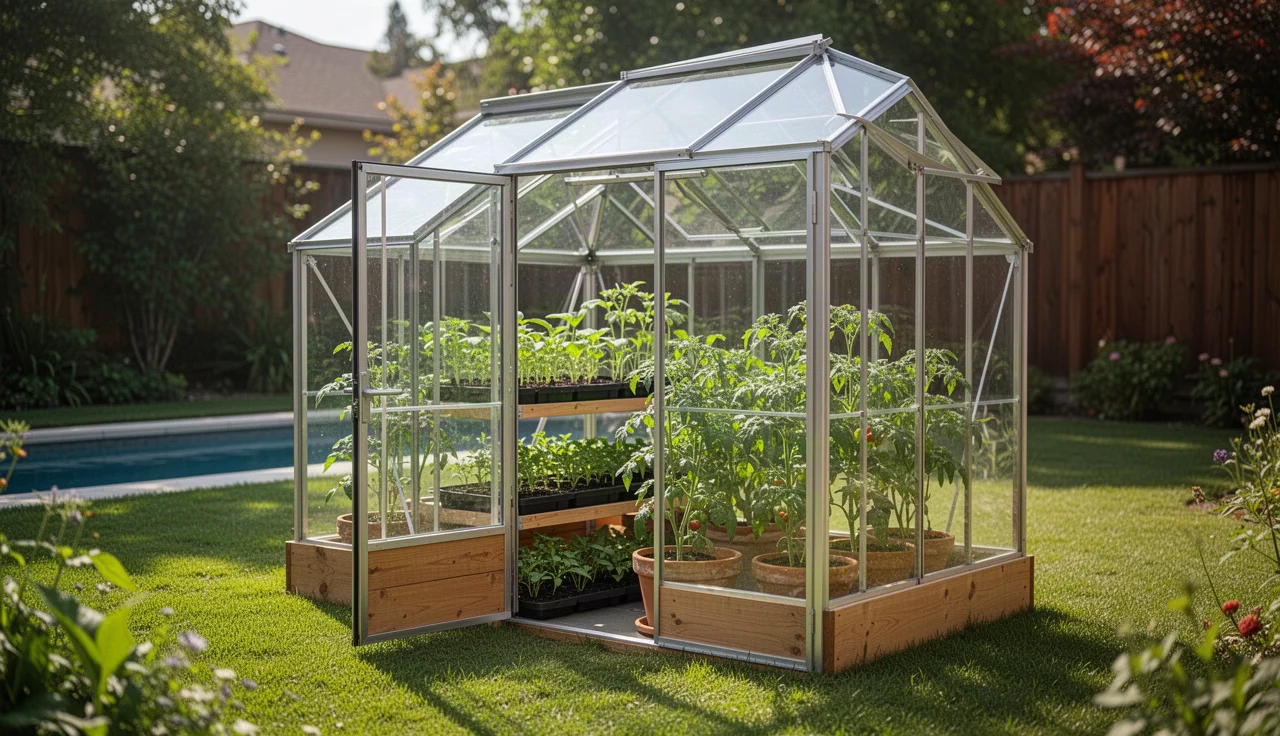
By TheYardForge — outdoor and garden gear, analyzed honestly for real backyards
You have been nursing seedlings on the kitchen windowsill for two springs now, and half of them still end up leggy and sad. A greenhouse feels like the obvious next step, but the moment you start looking, the options multiply fast and everyone seems to be selling something different. It is normal to feel a bit lost at the start.
Here is the direct answer: for most beginners, the right greenhouse is a freestanding polycarbonate model between 6x8 and 8x12 feet. Polycarbonate glazing holds heat better than thin plastic film, diffuses harsh sunlight, and survives an accidental football much better than glass. Glass looks beautiful and lasts decades, but it is heavy, expensive, and unforgiving to install. A polycarbonate greenhouse with a sturdy aluminum or resin frame, proper roof vents, and a door you can actually walk through will cover 90% of what a beginner wants to grow. The main decision is not which features you want, but which ones actually match your yard and climate. We put together a fuller greenhouse buying guide for beginners that walks through the details, but this article gives you the honest core.
What Actually Matters in a First Greenhouse
Most beginners overthink the frame and underthink the glazing and ventilation. Based on the specs and owner reports, here is where each material really fits.
| Feature | Best for you if... | Skip it if... |
|---|---|---|
| Polycarbonate glazing | You want heat retention, safety, and diffused light | You want the classic glass look and have a big budget |
| Glass glazing | You want maximum clarity and long lifespan | You have kids, hail, or an uneven DIY base |
| Aluminum frame | You want light weight and rust resistance | You need the absolute lowest price |
| Resin or wood frame | You want easy assembly or a natural look | You live somewhere very windy without anchoring |
Glazing is the one decision you cannot easily change later. Thin PVC covers tear within a season or two, while twin-wall polycarbonate panels hold warmth overnight and soften midday sun so delicate seedlings do not scorch. Glass transmits the most light but turns a small greenhouse into a hotbox fast without serious ventilation.
How to Choose Without Regret
Follow this sequence and the decision gets much simpler.
- Measure your actual available sunny spot, not the spot you wish you had.
- Pick the glazing first, then the frame material that fits your climate and wind exposure.
- Choose a size one step larger than you think, most owners outgrow small models in one season.
- Confirm the greenhouse has at least one roof vent and one louvered side vent; heat kills more beginner plants than cold does.
- Check the manufacturer's stated base requirements and anchoring method, then prepare a level base before delivery.
- Verify the real assembled dimensions and door height on the product page, because the listed footprint rarely tells the whole story.
A Palram greenhouse is one of the most common beginner-friendly options, and you can see the current range on Amazon. Models in the 6x8 to 6x10 range are manageable to assemble with a friend over a weekend, based on the manufacturer instructions and owner feedback. A polycarbonate model from Outsunny tends to cost less and works fine for light-duty use, though the frame often feels noticeably thinner, check the current offerings on Amazon before deciding.
Quick note: some links in this article are Amazon affiliate links, they support the blog at no extra cost to you.
What we find most often is that beginners regret three things: buying too small, skipping ventilation, and placing the greenhouse in a shaded corner because it looked tidy there. None of those are fixed by spending more money later.
What Beginners Can Safely Do Themselves
General assembly, laying a level gravel or paving base, adding shelves, and daily watering or venting are all reasonable first-time DIY tasks. The line you should not cross is anything involving mains electrical work or permanent plumbing, those are jobs for a qualified professional. Heating a greenhouse with an electric fan heater means running outdoor-rated power safely, not daisy-chaining extension cords across wet grass. Keep greenhouse chemicals and fertilizers stored correctly and follow the manufacturer label exactly.
For most first greenhouses, a simple passive setup works beautifully: open the roof vent in the morning, close it before cold nights, and use shade cloth on brutal summer days. You do not need automation on day one.
FAQ
How big should my first greenhouse be?
For most beginners, 6x8 to 8x12 feet is the practical sweet spot. It gives you room for seed trays, a small potting bench, and a few shelves without becoming a construction project or eating your whole yard.
Is polycarbonate better than glass for a beginner?
Yes in most cases. Polycarbonate is lighter, safer around kids and pets, holds heat well, and diffuses light so plants do not scorch. Glass wins only on looks and ultimate lifespan, but the weight and cost are real drawbacks for a first greenhouse.
Can I assemble a greenhouse by myself?
A 6x8 model is possible with one patient person and a calm day, but a second pair of hands makes panel alignment dramatically easier. For anything larger, plan for help. Follow the manufacturer instructions and check that every panel is seated before moving to the next one.
Do I need to hire professionals for any part of the setup?
The risky parts are mains electrical work, permanent plumbing, and anchoring a large greenhouse properly in a windy area. Those are worth a qualified professional. General assembly, leveling, shelving, and daily care are perfectly fine to handle yourself.
Conclusion
A first greenhouse works best when it matches your yard, your climate, and your patience for assembly, not when it has the most features. Polycarbonate glazing, real ventilation, and a size slightly bigger than you think will serve you better than the prettiest glass house. Choose for the space you have, build it level, and keep the first season simple.