Brown Patches in Lawn How to Fix Them Fast
Brown patches in your lawn are fixable. Learn the real causes, step-by-step repair methods, and which lawn care tools actually help. A practical guide with.
By TheYardForge — outdoor and garden gear, analyzed honestly for real backyards
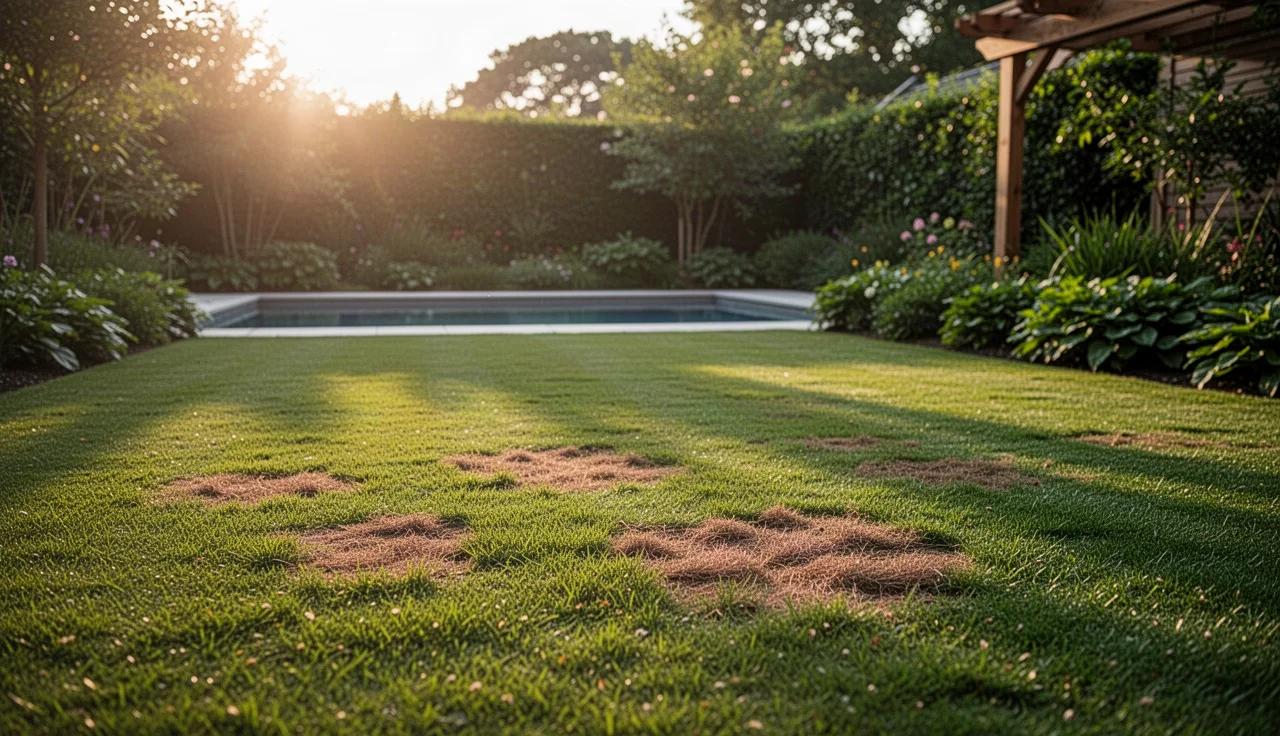
You water regularly, you mow on schedule, and then one morning there it is: a dead-looking brown patch right in the middle of your green lawn. It feels like the grass gave up overnight. The good news is that brown patches are almost always fixable, and the solution starts with figuring out what's actually causing them. The most common culprits are fungal disease, drought stress, pet urine, compacted soil, or grub damage. In most cases, you can restore the area by raking out dead grass, loosening the top inch of soil, overseeding with a grass variety that matches your lawn, watering lightly twice a day until germination, and keeping foot traffic off the spot for a few weeks. If the cause is grubs or a fungal infection, you'll need to treat that first or the problem will just come back. Below we break down the fixes by cause so you know exactly where to start.
What's Actually Causing the Brown Patch
Before you reseed or fertilize anything, look at the patch itself. The fix for fungus is completely different from the fix for drought, and applying the wrong one wastes time and money.
Fungal disease often appears as irregular brown rings or patches with a darker, almost smoky edge, especially in humid or overwatered lawns. The grass blades themselves look spotted or water-soaked before they die. Drought stress leaves grass uniformly brown and crispy, often in full-sun areas or near pavement that radiates heat. Pet urine creates small, round brown or yellow spots with a sometimes greener ring around the outside, because the nitrogen overload burns the grass. Grubs make the lawn feel spongy and loose, and you can often peel the turf back like a carpet to find white C-shaped larvae underneath. Compacted soil leads to thin, weak grass that browns easily because roots can't get air or water.
Here's a quick reference to narrow it down:
| Cause | Appearance | Quick Test |
|---|---|---|
| Fungal disease | Irregular rings, smoky edges | Grass blades have spots or lesions |
| Drought stress | Uniform brown, crispy | Soil is bone dry an inch down |
| Pet urine | Small round spots, greener rim | Noticeable where pets go |
| Grubs | Spongy turf, loose roots | Turf peels back, white larvae visible |
| Compacted soil | Thin, patchy, weak grass | Hard to push a screwdriver into the soil |
How to Fix Brown Patches Step by Step
Once you've identified the likely cause, follow the sequence that matches your situation. For most brown patches, repair works best in spring or early fall when temperatures are moderate.
Remove the dead material. Rake the brown area firmly to pull up dead grass and thatch. You want soil visible so new seed can make contact.
Loosen the top half-inch of soil. Use a hand cultivator or a rake to rough up the surface. Don't dig deep, just break the crust.
Treat the underlying cause if needed. For grubs, apply a grub control product and follow the label instructions exactly. For fungus, reduce watering frequency, water only in the early morning, and consider a lawn fungicide according to the manufacturer's directions.
Overseed the bare spot. Choose a grass seed that matches your existing lawn type. A garden spreader like a Fiskars garden tool can help distribute seed evenly on larger areas, though for small patches hand-seeding works fine.
Press the seed into the soil. Walk over the area or use the back of a rake so the seed makes good contact and doesn't wash away.
Water lightly and often. Keep the seeded area consistently moist but not soggy. Light watering twice a day usually beats one heavy soak, especially in warm weather.
Quick note: some links in this article are Amazon affiliate links, they support the blog at no extra cost to you.
- Hold off on mowing that spot. Let the new grass reach at least three inches before cutting, and set the mower high to avoid stressing young roots.
What We Recommend Most Often
In our analysis of owner reports and common lawn patterns, the biggest mistake is reseeding without removing the cause. If the soil is compacted, the new grass dies the same way the old grass did. If grubs are still feeding, they'll eat the tender new roots. Aeration helps with compaction, but for small spots simply loosening the top layer and adding a thin layer of compost gives the seed a fighting chance.
For broader spring recovery work, treating the whole lawn rather than just the spots often prevents a repeat. The Bosch garden lawn range includes rakes and aerators that make the prep work faster on medium to large lawns, though any sturdy rake handles small patches fine.
Skip heavy fertilizer on new seed until it's established. Young grass burns easily, and the existing lawn usually has enough nutrients to get it started. Wait four to six weeks after germination before feeding lightly.
FAQ
Why does my lawn have brown patches after mowing? Dull mower blades tear grass instead of cutting it, leaving ragged tips that dry out and brown. Sharpen your blade and avoid cutting more than one-third of the grass height at once.
Can brown patch fungus go away on its own? Sometimes, if the weather turns dry and you stop overwatering. But most fungal patches need reduced moisture and better airflow to fully recover, and severe cases benefit from a fungicide.
Will watering bring brown grass back to life? Only if the cause is drought. If fungus or grubs are responsible, more water can make things worse. Check the roots and soil first before assuming the lawn is just thirsty.
How long does it take for brown patches to recover? With overseeding, you'll see germination in seven to fourteen days and decent coverage in four to six weeks. Fungus-damaged areas may take longer, while grub damage requires treatment before regrowth.
Is pet urine damage permanent? No, but the high nitrogen can kill the grass in that spot. Flush the area with water right after pets go, and reseed bare spots. The grass typically comes back with a little patience.
Brown patches look worse than they are. Figure out the cause, remove the dead material, fix the underlying problem, and reseed properly. It's a weekend of work and a few weeks of light watering to get your lawn back to even. The full guide on fast fixes covers more aggressive cases if the patch keeps spreading.