How to Fix Green Pool Water Fast at Home
Green pool water usually means algae, poor circulation, or low chlorine. Here is the fastest safe order to fix it, based on pool chemistry and owner reports.
By TheYardForge — outdoor and garden gear, analyzed honestly for real backyards
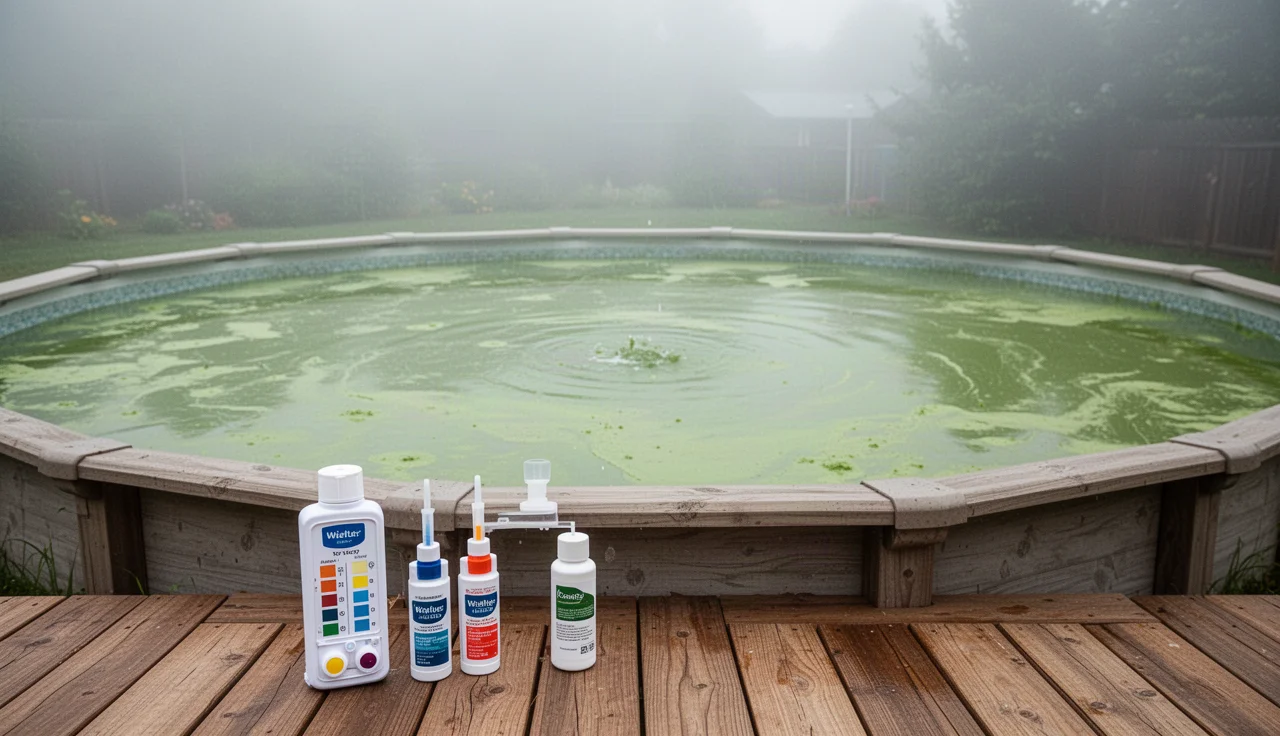
You walk out for a morning swim, and the water looks like pea soup instead of a pool. Green pool water almost always means one thing: algae took hold, usually because the sanitizer level dropped, the pump ran too little, or both. The fastest fix is a four-step process: brush the walls, shock the pool, run the filter around the clock, and clean or replace the filter media. Expect clear water in 24 to 72 hours for mild to moderate algae, and up to a week for a heavy bloom. This is general advice; for exact chemical dosing, follow the manufacturer's label and/or ask a pool professional.
What Actually Turns Pool Water Green
Green water is almost never a mystery. The main culprits are:
- Low free chlorine after heavy rain, hot weather, or a busy swim weekend
- Poor circulation from a short filter schedule or clogged pump basket
- High pH that makes chlorine far less effective
- Phosphates and organic debris feeding the algae
- A dirty or exhausted filter that cannot trap dead algae
Here is a quick reference table based on common symptoms and what they point to:
| Symptom | Likely Cause | Fastest First Step |
|---|---|---|
| Cloudy green, can still see bottom | Early algae bloom | Shock and brush, then run filter |
| Bright green, cannot see bottom | Established bloom | Brush hard, shock, and backwash often |
| Green only on walls or floor | Algae attached to surfaces | Brush before shocking |
| Green with strong chlorine smell | Combined chlorine, not free chlorine | Shock to break chloramines |
The Fastest Safe Order to Fix It
Follow this sequence. Order matters more than speed at any single step.
Brush everything first. Algae has a protective layer that shock cannot fully penetrate. Brushing the walls, floor, and steps breaks that layer and gets the algae into the water where chlorine can kill it.
Test and fix the pH before shocking. Chlorine works dramatically better when pH is in the proper range. If pH is high, the shock will waste itself. Adjust pH per the manufacturer's instructions first.
Shock the pool properly. Use the correct shock for your pool type and size. For green water, you need a higher dose than routine maintenance. Never mix shock types or add water to shock; always follow the label exactly.
Run the pump and filter nonstop. Circulation is not optional here. Run the filter 24 hours a day until the water turns a cloudy blue-gray, then keep running it until clear.
Clean or backwash the filter daily. Dead algae will clog the filter quickly. For sand or DE filters, watch the pressure gauge and backwash when it rises. For cartridges, rinse them daily during treatment.
Vacuum to waste if possible. Once the algae is dead and settling, vacuuming to waste removes it from the system instead of pushing it through the filter.
When the water looks blue but hazy, the algae is dead and the filter is doing its final job. That haze clears on its own with continued circulation.
Prevention So You Do Not Do This Again
The fix is usually faster than people expect, but the real win is not doing it twice in one summer. The pattern behind most green pools is simple: the chlorine dropped below its job, and the pump was not running enough. If you maintain free chlorine consistently and run the filter long enough each day to turn the water over completely, algae rarely gets a foothold.
Quick note: some links in this article are Amazon affiliate links, they support the blog at no extra cost to you.
A solid test kit makes this far easier. Intex offers simple maintenance kits that work well for above-ground pools, and Bestway filter pumps are a common pairing for smaller setups. Based on specs and owner reports, these are practical, budget-sensible choices for someone who wants easy water care without overcomplicating it. What we recommend most often is a cartridge filter for small pools and regular testing twice a week in hot weather. If you want a deeper step-by-step walkthrough, see our guide on how to fix green pool water fast and easily.
FAQ
Does shock alone fix green pool water? No. Shock kills algae, but without brushing first and running the filter around the clock, dead algae stays in the water and the pool stays cloudy. The full fix is brush, shock, filter, and clean the filter.
How long until the pool is clear again? For mild green water, 24 to 48 hours with proper circulation is realistic. A heavy bloom can take five to seven days. The key sign of progress is the water changing from green to cloudy blue before turning clear.
Can I swim while the pool is green? No. Green water means active algae and likely low sanitizer, which is not safe or comfortable. Wait until the water is clear and the chlorine has returned to the normal range per your test kit.
Why did my pool turn green overnight after rain? Rain washes organic material and phosphates into the pool while diluting chlorine. That combination feeds algae fast. Shocking and brushing right after heavy rain is the best prevention.
Is it safe to add shock directly to the skimmer? No. Always add shock to the pool water itself, usually in front of a return jet while the pump is running. Pouring it into the skimmer can damage plumbing and filter components.
A green pool feels like a disaster when you first see it, but it is one of the most fixable problems in pool care. The water turns cloudy, then clear, and the order is simple: brush, test, shock, filter, and clean. Stay consistent with chlorine and run time, and that green surprise stays rare.