How to Winterize Your Garden the Right Way
A straightforward guide to winterizing your garden, covering soil, perennials, tools, and structure. Get your backyard ready for the cold months without overcomplicating it.
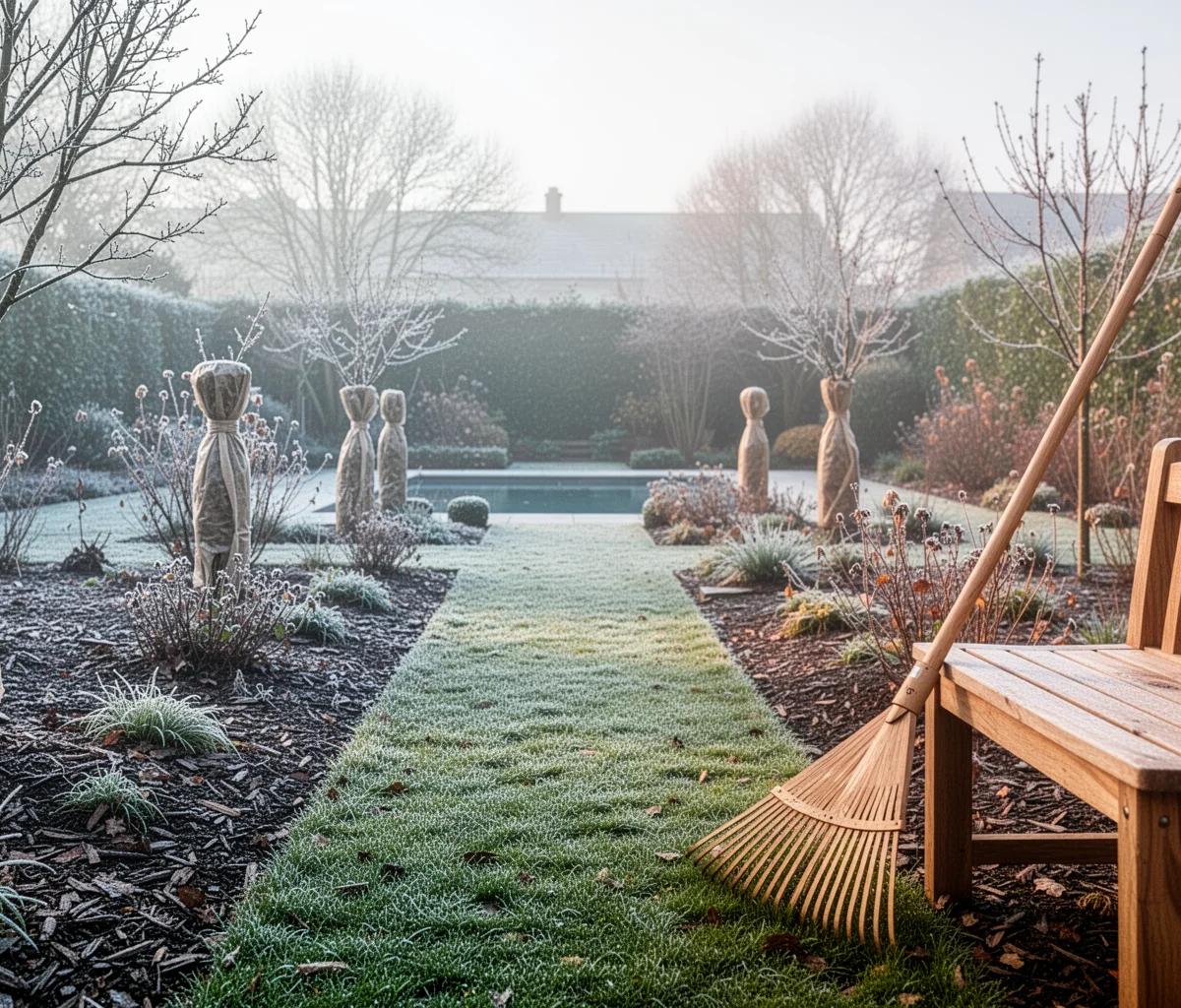
By TheYardForge — outdoor and garden gear, analyzed honestly for real backyards
That first frost forecast catches every gardener off guard, even when you know winter is right around the corner. The short answer is that winterizing a garden comes down to four things: cleaning up debris and diseased plants, protecting perennial roots with mulch, draining and storing irrigation gear before a freeze splits it, and giving the soil one last feeding so it’s alive and ready in spring. You don’t need a greenhouse full of gadgets to do it well; what you need is a weekend, a plan, and the right sequence. Skip the cleanup and you’re rolling out a welcome mat for pests and fungal problems next year; skip the mulch and a hard freeze can heave perennials right out of the ground. Here’s exactly how to put the garden to bed, based on what actually holds up in real backyards.
Clean Up, but Not Too Aggressively
Grab a pair of bypass pruners and a rake, and start with the obvious: yank spent vegetable plants, cut back slimy hosta leaves and peony foliage, and bag anything that showed signs of disease or powdery mildew. Those go in the trash, not the compost pile, because most home compost doesn’t get hot enough to kill pathogens. Leave ornamental grasses and seed heads like coneflowers and rudbeckia standing if you can; they feed birds through the lean months and give beneficial insects a place to overwinter. A quick note on tools: sharp, comfortable pruners make this job half the battle. We see a lot of gardeners reach for Fiskars bypass pruners year after year because the blades stay sharp and the handles don’t chew up your hands after an afternoon of cutting.
Quick note: some links in this article are Amazon affiliate links, they support the blog at no extra cost to you.
What you pull out now is what won’t rot into a slimy mess by March. If a plant looks healthy but tired, give it a haircut. If it looks sick, pull it. Simple.
Protect the Soil and Perennial Roots
Bare soil is a problem in winter. Rain compacts it, wind erodes it, and the freeze-thaw cycle can push shallow-rooted perennials right out of the ground. A 2- to 4-inch blanket of organic mulch, shredded leaves, straw, or wood chips, insulates the root zone, slows weed germination, and slowly breaks down into food for soil microbes. This is also the moment to add a slow-release organic fertilizer or a thin layer of compost. You’re not feeding plants now; you’re feeding the soil biology that will be active on sunny winter days and explode into life come spring.
| Task | Why It Matters | What to Use |
|---|---|---|
| Remove diseased material | Prevents fungal spores and pest eggs from overwintering | Trash bag, not compost |
| Mulch perennial beds | Insulates roots, reduces frost heave | Shredded leaves, straw, wood chips |
| Feed the soil | Feeds microbes during mild spells | Compost, slow-release organic fertilizer |
| Drain irrigation lines | Prevents split pipes and cracked fittings | Air compressor or manual drain valves |
The table above is your cheat sheet. If you only have one afternoon, hit the soil and the perennials first; everything else can wait until the next dry weekend.
Drain, Store, and Service the Gear
A frozen garden hose left on the spigot can crack a pipe inside the house wall, and a sprinkler timer or drip line full of water will split its fittings like an overcooked sausage. Disconnect every hose, coil them loosely, and store them in a shed or garage. Drain automatic timers completely, blow out the lines with an air compressor if you have one, or open all the manual drain valves. Small irrigation components with sensitive plastic parts go in a storage box from a brand like Keter, whose deck boxes keep rodents and moisture out.
Hand tools deserve five minutes of attention. Wipe dirt off metal blades, sharpen pruners and shovels, and give wood handles a light rub with linseed oil. It’s tedious for about ten minutes, and then it’s done for the season. A clean, sharp tool hangs on the wall waiting for spring; a rusty one gets replaced. If you’ve been battling pests all summer, a quick read of our guide on how to keep pests out of your garden naturally might give you a head start on next year’s defense before the ground freezes.
Here’s a step-by-step order to follow when time is tight:
- Pull sick plants and spent vegetables, trash, not compost.
- Cut back mushy perennials but leave seed heads and ornamental grasses standing.
- Spread 2-4 inches of mulch over all bare soil and around perennial crowns.
- Disconnect, drain, and store all hoses and irrigation timers.
- Clean, sharpen, and oil hand tools before hanging them up.
Related reading
- How to Keep Pests Out of Your Garden Naturally
- Getting Your Patio Ready for Summer
- Fall Lawn Care Checklist Done Right
FAQ
Should I water plants before the first frost? Yes, a deep watering the day before a forecast hard freeze helps insulate roots and reduces cold damage to foliage, especially for evergreens and newly planted shrubs. Do it in the morning so the water soaks in before temperatures drop.
Can I leave fallen leaves on the lawn? A thin layer shredded by a mulching mower can feed the lawn, but a thick, matted blanket smothers the grass and invites snow mold. Rake or mow heavy leaf fall into garden beds where it works as free mulch.
When is the best time to plant spring bulbs? Plant daffodils, tulips, and alliums about six weeks before the ground usually freezes, when soil temperatures have dropped but the earth is still workable. In most climates that’s late September to early November.
Do raised beds need special winter prep? They drain faster and freeze harder than in-ground soil, so mulch them generously and consider covering the soil with a tarp or old sheet to prevent erosion and nutrient leaching during winter rains.
Wrapping It Up
Winterizing isn’t a grand project; it’s a weekend of small, smart moves that pay off in fewer diseases, healthier soil, and a head start when the sun comes back. Give the garden what it needs to rest, and it’ll wake up stronger than you found it.